The Cultural Significance of African American Cartoons
African American cartoons have played a pivotal role in shaping animated storytelling and representation in media. As platforms for cultural expression, they provide essential narratives that highlight the diverse experiences and identities within the African American community. Understanding this rich history not only enhances our appreciation of animation but also underscores the importance of representation in children’s media. When exploring options, African American Cartoons serve as a valuable resource for discovering iconic shows and characters that have influenced generations.
Understanding Representation in Animation
Representation in animation is crucial as it directly affects how children view themselves and others. African American cartoons often portray characters that reflect the richness of diverse backgrounds. This representation helps combat stereotypes and promotes a more inclusive understanding of identity. Shows like “The Proud Family” and “The Boondocks” not only entertain but also provide commentary on social issues, thereby enriching the cultural landscape of animated narratives.
The Impact on Society and Youth
The influence of African American cartoons extends beyond entertainment; they shape societal perspectives and youth development. Young viewers who see themselves represented in media are more likely to develop a healthy self-image. Cartoons like “Doc McStuffins” and “Craig of the Creek” introduce relatable protagonists who navigate their cultural environments, thus fostering acceptance and understanding among young audiences.
Historical Overview of Black Animation
The history of Black animation is vast and varied, dating back to the early 20th century. From the groundbreaking works of creators like Floyd Norman and the characterizations seen in “Fat Albert” to the modern success of shows like “Big Mouth” featuring diverse voices, Black animators have consistently pushed boundaries. Understanding this history allows us to appreciate the evolution of representation and storytelling within the genre.
Top African American Cartoons to Watch in 2026
As we look forward to 2026, several African American cartoons are capturing the hearts of audiences. From nostalgic classics to innovative new releases, these shows continue to entertain while addressing contemporary issues.
Beloved Classics: A Closer Look
- Fat Albert and the Cosby Kids: This animated series, which aired in the 1970s, tackled themes of friendship and social issues through relatable stories and music.
- The Boondocks: Known for its sharp social commentary, this series explores African American culture through the eyes of two brothers, blending humor with poignant themes.
- The Proud Family: A staple of early 2000s animation, this show focuses on the life of a young African American girl and her family, addressing relatable adolescent challenges.
Trending New Releases to Discover
- Craig of the Creek: This series reflects the experiences of Black children in suburban landscapes, celebrating friendship and adventure.
- Young Justice: Featuring a diverse cast, this series includes prominent African American characters and offers complex narratives appealing to older children and teens.
- Big Mouth: Though a bit edgier, this series addresses adolescence and includes Black characters who navigate their cultural identities amidst growing up.
How These Cartoons Address Contemporary Issues
Many current African American cartoons have taken on significant social issues, such as systemic racism, identity, and representation. By integrating these themes into storylines, they not only entertain but educate and provoke thought among audiences of all ages. Shows like “Doc McStuffins” emphasize health and wellness within the Black community, while others like “The Boondocks” address political and societal concerns with humor and satire.
Iconic Characters and Their Influences
The characters featured in African American cartoons have become iconic figures, influencing not only the animation industry but also popular culture at large.
Character Development Through the Years
Character development in African American cartoons reflects broader societal changes. For instance, characters like Huey and Riley from “The Boondocks” have matured alongside the narratives, showcasing a more profound understanding of cultural and social dynamics. Such development resonates with audiences who witness their growth and challenges in contemporary settings.
Voices Behind the Characters: Celebrating Talent
The success of African American cartoons is often attributed to the talented voice actors behind the characters. Artists like Phil LaMarr and Cree Summer have brought authenticity to their roles, infusing characters with depth and relatability. This celebration of talent not only enriches the storytelling but also highlights the importance of diverse voices in animation.
Cultural References in Character Design
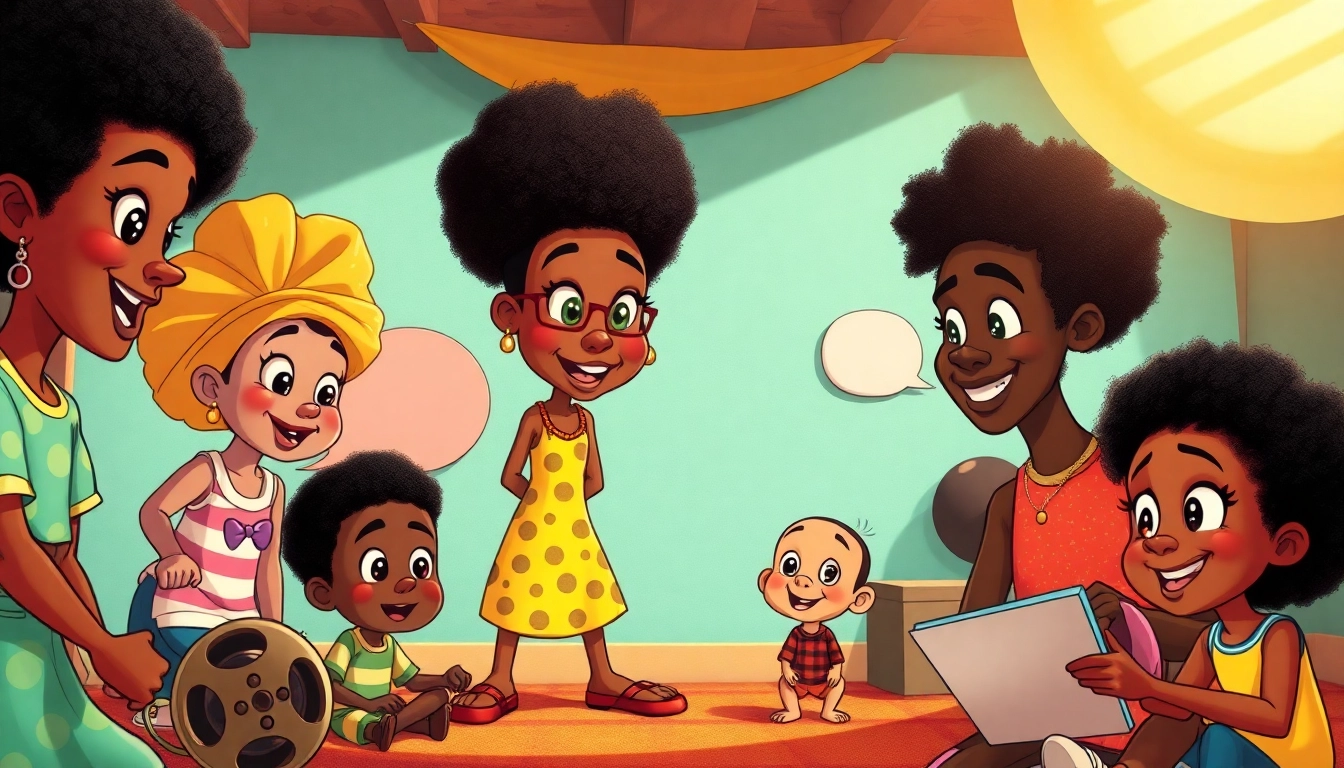
Character design in African American cartoons often includes cultural references that resonate with Black audiences. From hairstyles to clothing, these elements contribute to the authenticity of characters, allowing viewers to connect with their stories. This representation is crucial in promoting a positive cultural identity among young audiences.
Creating African American Cartoons: Behind the Scenes
The production of African American cartoons involves a blend of creativity, technical skill, and cultural insight. Understanding the behind-the-scenes processes reveals the dedication required to bring these stories to life.
Animation Techniques and Innovations
Modern animation techniques have enhanced the quality and appeal of African American cartoons. Innovations in technology, such as 3D animation and digital storytelling, have allowed creators to push artistic boundaries. Shows like “Afro Samurai” exemplify how these techniques blend traditional storytelling with cutting-edge visuals, appealing to a broader audience.
The Role of Storytelling in Animation
Storytelling remains at the heart of successful African American cartoons. Writers draw upon personal experiences and cultural narratives, weaving them into plots that resonate with audiences. This emphasis on storytelling not only entertains but also educates viewers about the complexities of life and identity.
Future Trends in Black Animation
Looking ahead, the future of Black animation appears bright with increasing demand for diverse narratives. Emerging platforms and streaming services are investing in content that showcases African American stories, paving the way for innovative ideas and new creators to enter the scene. As technology evolves, we can expect to see even more dynamic and inclusive representations in animation.
How to Access and Enjoy African American Cartoons
With the rise of digital platforms, accessing African American cartoons has never been easier. Several streaming services offer a vast array of content that showcases these beloved shows.
Streaming Platforms and Availability
Many popular streaming platforms now feature extensive libraries of African American cartoons, making it simple for viewers to find their favorites. Services like Netflix, Hulu, and Disney+ prioritize inclusivity and diversity in their offerings, ensuring that these animated series are available to a global audience.
Community Engagement and Support
Engaging with community initiatives that support African American animation can also enrich viewers’ experiences. Online forums, workshops, and conventions allow fans to connect, discuss, and support the creators behind their favorite shows. By participating in these communities, audiences can gain a deeper appreciation for the art of animation.
Educational Uses in the Classroom
Teachers are increasingly recognizing the value of African American cartoons in educational settings. These cartoons can serve as tools for discussions about culture, history, and social issues. Integrating animation into the curriculum fosters dialogue and learning in a way that resonates with students.