
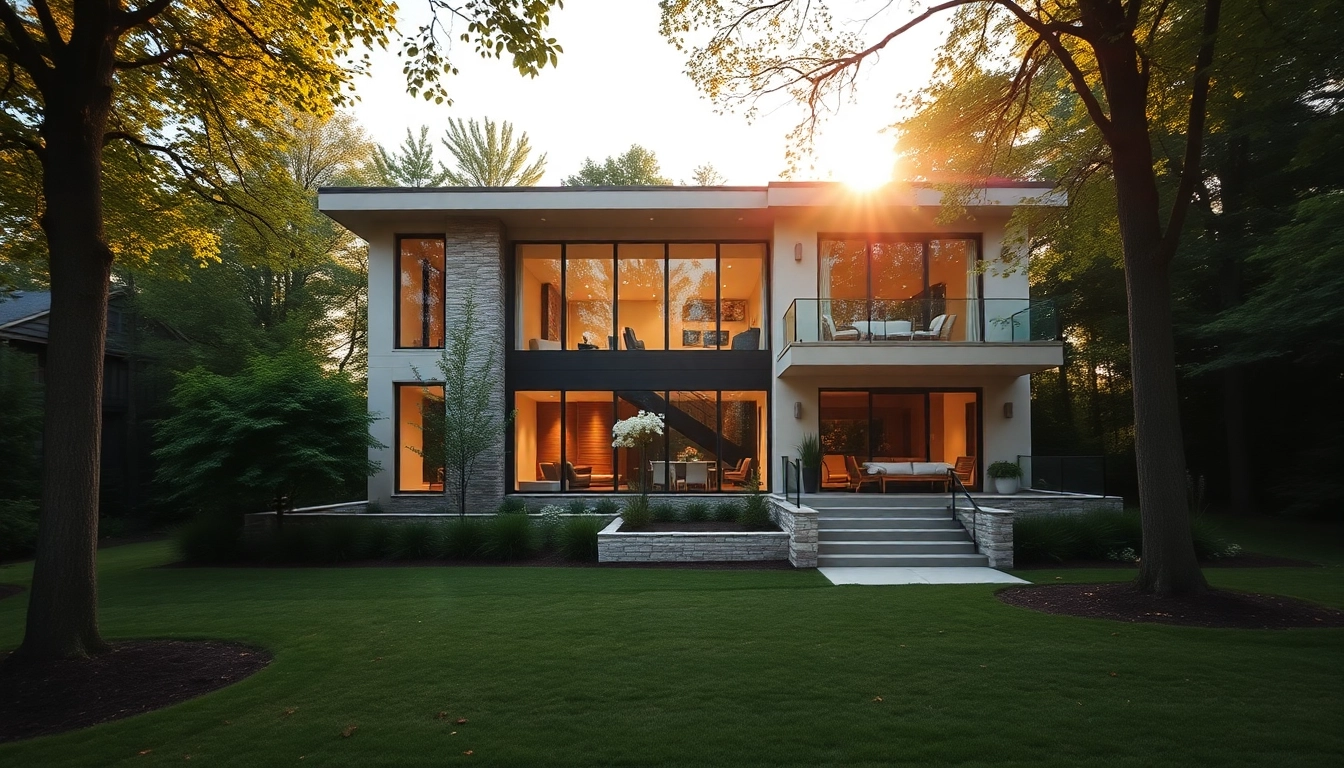
- Understanding the Role of a Boston Residential Architecture Firm
- Top Trends in Boston Residential Architecture
- How to Choose the Right Boston Residential Architecture Firm
- Case Studies from Boston Residential Architecture Firms
- Future of Residential Architecture in Boston
- FAQs About Boston Residential Architecture Firms
Understanding the Role of a Boston Residential Architecture Firm
Boston’s rich history and diverse neighborhoods demand architectural solutions that honor tradition while embracing modernity. A Boston residential architecture firm plays a vital role in shaping the city’s residential landscapes, offering expertise that combines local knowledge with design innovation. This article explores the different facets of residential architecture in Boston, from its definition to contemporary trends and future directions.
Defining Residential Architecture
Residential architecture encompasses the design and planning of living spaces, including single-family homes, multifamily dwellings, and mixed-use developments. It involves careful consideration of aesthetics, functionality, and the surrounding environment. In Boston, residential architecture often reflects a blend of historical influences, contemporary trends, and individual client preferences.
Importance of Local Expertise
Understanding local building codes, climate considerations, and environmental factors is essential for effective residential design. Boston has unique zoning laws and architectural styles shaped by its history. A local Boston residential architecture firm navigates these complexities, ensuring projects comply with regulations while maximizing design potential. This localized expertise not only streamlines the construction process but also fosters designs that resonate with the community’s character.
Key Services Offered
Residential architecture firms provide a range of services tailored to client needs. Key services include:
- Design Consultation: Initial meetings to define project goals, needs, and budget.
- Site Analysis: Evaluating the site’s topography, climate, and context to inform design decisions.
- Conceptual Design: Creating initial design sketches and models that visualize the proposed project.
- Construction Documents: Preparing detailed drawings and specifications for construction.
- Project Management: Overseeing the construction process to ensure adherence to design intent and budget.
Top Trends in Boston Residential Architecture
As city living evolves, so do the trends in residential architecture. Boston architects are increasingly responding to changing lifestyles and environmental concerns.
Sustainable Design Principles
Sustainability is no longer a choice but a necessity in architectural design. Boston residential architecture firms are integrating sustainable principles into their projects through energy-efficient designs, renewable materials, and innovative construction techniques. This approach not only minimizes environmental impact but also enhances the long-term value of properties. Features such as green roofs, solar panels, and energy-efficient HVAC systems are becoming standard in new residential designs.
Integrating Technology in Homes
The integration of smart technology into homes is a growing trend. From energy management systems to smart security features, Boston architects are tailoring designs that incorporate the latest technological advancements. This helps improve energy efficiency, enhances security, and provides homeowners with greater control over their living environments.
Open Concept Living: Benefits and Drawbacks
Open concept living has gained popularity, particularly in urban residential designs. This style emphasizes spaciousness and social interaction by combining living, dining, and kitchen areas. However, while it fosters a sense of community, it can also present challenges such as noise control and privacy issues. Boston residential architecture firms weigh these pros and cons thoughtfully when designing spaces.
How to Choose the Right Boston Residential Architecture Firm
Finding the right architecture firm is crucial for the success of any residential project. Here are essential steps to ensure you make the best choice.
Assessing Portfolios and Services
Reviewing a firm’s portfolio is an excellent way to gauge their design style and expertise. Look for a variety of completed projects that reflect quality craftsmanship and creativity. Assess how their designs align with your vision and whether they have experience in specific styles or projects that interest you.
Understanding Client Testimonials
Client testimonials offer insights into an architecture firm’s reliability and professionalism. Consider reaching out to past clients for their honest feedback on project experiences. Good communication, adherence to timelines, and responsiveness to client concerns are all invaluable attributes in a residential architecture firm.
Questions to Ask During Consultation
During your initial consultations, ask pertinent questions to clarify expectations and processes. Key inquiries could include:
- What is your design philosophy?
- How do you approach project timelines and budgets?
- Can you describe your experience with similar projects?
- How do you ensure sustainability in your designs?
- What is your process for collaboration with clients?
Case Studies from Boston Residential Architecture Firms
Examining successful projects can provide insight into the capabilities and innovative approaches of Boston’s residential architecture firms.
Transforming Historic Spaces
Boston is known for its historical architecture, and some firms specialize in the delicate art of renovation and restoration. A notable example involves transforming a historic brownstone into modern family residences while preserving its original character. Such projects require a deep understanding of both current design trends and historical preservation standards.
Innovative Use of Small Spaces
With land at a premium in urban areas, innovative space design becomes essential. Architects are designing multifunctional spaces that maximize functionality without sacrificing style. Projects that feature foldable furniture, smart storage solutions, and vertical living designs showcase how contemporary architecture can make the most of constrained spaces.
Collaborative Design Processes
Forward-thinking firms in Boston actively involve clients in the design process, ensuring their visions are front and center. Collaborative design not only enhances satisfaction but also results in tailored solutions that reflect individual lifestyles and needs, resulting in more successful and meaningful residential spaces.
Future of Residential Architecture in Boston
As Boston continues to grow, the future of residential architecture holds exciting possibilities influenced by technology, sustainability, urbanization, and cultural dynamics.
Adapting to Urbanization Challenges
With an increasing population density, Boston faces numerous challenges related to urbanization, including housing shortages and infrastructural strain. Residential architecture firms are tasked with creating solutions that maximize space efficiently. The development of mixed-use buildings and micro-apartments are two strategies being explored to meet demand without compromising quality.
Embracing Eco-Friendly Practices
The future will see even greater emphasis on eco-friendly practices, both in design and building material selection. Architects are likely to prioritize the use of sustainable materials, incorporate passive solar design, and improve insulation to reduce energy needs. These eco-conscious approaches not only benefit the environment but also resonate with increasingly environmentally aware clients.
Forecasting Design Trends
Looking forward, residential architecture in Boston is likely to embrace organic design. This means integrating more natural elements, such as biophilic design principles that connect interior spaces with natural surroundings. Expect to see an increased focus on outdoor living, green spaces, and structures that enhance well-being while harmonizing with their environment.
FAQs About Boston Residential Architecture Firms
What should I consider when hiring a Boston residential architecture firm?
Look at their portfolio, ask about their design processes, check client testimonials, and ensure their style aligns with your vision.
How long does a residential architecture project typically take?
Project durations vary widely based on scope and complexity but generally range from several months to over a year, including design and construction phases.
Are there benefits to choosing a local architecture firm?
Yes, local firms have in-depth knowledge of Boston-specific regulations, building styles, and environmental factors, ensuring enhanced project success.
What is sustainable residential architecture?
Sustainable residential architecture focuses on reducing environmental impacts through energy-efficient designs, sustainable materials, and innovative building practices.
How can technology be integrated into residential architecture?
Technology integration can include smart home systems, energy management devices, and efficient heating/cooling solutions that enhance comfort and efficiency.


