Understanding the Principles of Education
Definition and Importance of Education
Education is a multi-faceted term that encompasses the transmission of knowledge, skills, and values through various forms of learning, both formal and informal. It serves as the cornerstone of personal development and societal progress, shaping individuals' abilities to think critically, adapt to change, and participate actively in their communities. The importance of education can be underscored by its fundamental role in enabling individuals to understand their environment, make informed decisions, and pursue lifelong learning opportunities. In a world where information is abundant yet varied in reliability, the skill to analyze and apply knowledge has never been more critical. More than just the acquisition of facts, Education plays a pivotal role in personality development and character formation, contributing to the overall fabric of society.
Education's Role in Personal Development
Personal development is a lifelong process of self-improvement in various dimensions, including emotional, social, physical, and intellectual aspects. Education acts as a catalyst for personal growth by fostering self-awareness, self-esteem, and emotional intelligence. Through educational experiences, individuals are exposed to diverse perspectives that encourage them to question their beliefs, challenging preconceived notions and broadening their understanding of the world. Engaging in educational environments, whether through schools, workshops, or informal learning experiences, nurtures essential soft skills such as communication, teamwork, and problem-solving abilities. Ultimately, education enhances individuals' capacity for self-reflection and personal transformation, allowing them to navigate life's complexities with confidence and resilience.
Educational Frameworks and Their Impact
Educational frameworks provide structured methodologies that shape teaching and learning processes. These frameworks, which include The Montessori Method, Project-Based Learning, and the International Baccalaureate, have unique philosophies and goals but share a common aim: to prepare students not just for academic success but for active citizenship in a global society. Each of these pedagogical approaches contributes to education's impact in distinct ways, such as fostering creativity, critical thinking, and real-world problem-solving skills. For instance, the Montessori Method emphasizes child-centered education that promotes independence and personalized learning experiences. Likewise, Project-Based Learning encourages students to engage in multidisciplinary projects that require collaboration and practical application of their knowledge. Understanding and implementing various educational frameworks can significantly influence student engagement, motivation, and learning outcomes.
Innovative Teaching Strategies in Education
Active Learning Techniques
Active learning techniques are instructional approaches that engage students in the learning process actively rather than passively receiving information. Methods such as group discussions, peer teaching, simulations, and problem-solving activities enable students to apply concepts in real-time, facilitating a deeper understanding of the material. For instance, educators can implement role-playing scenarios in a history class to allow students to experience past events, enhancing emotional engagement and retention of information. Furthermore, incorporating project-based tasks encourages collaborative learning, where students can learn from one another's perspectives, encouraging critical thinking and teamwork. Research has shown that active learning strategies can significantly improve students' academic performance and motivation, making them indispensable in modern educational settings.
Utilizing Technology for Learning
The integration of technology in education revolutionizes traditional teaching methodologies by providing new tools and platforms for enhanced learning experiences. Tools such as learning management systems, online resources, and educational software enable personalized learning and greater accessibility to a wide range of materials. For example, educational platforms like MOOCs provide high-quality courses from top universities, making knowledge accessible to anyone with an internet connection. Moreover, adaptive learning technologies can tailor educational content to meet individual student needs and pace, fostering an environment where learners can thrive regardless of their prior knowledge or experience. Utilizing technology not only makes learning more engaging but also prepares students for a technology-driven workforce.
Collaborative Learning Environments
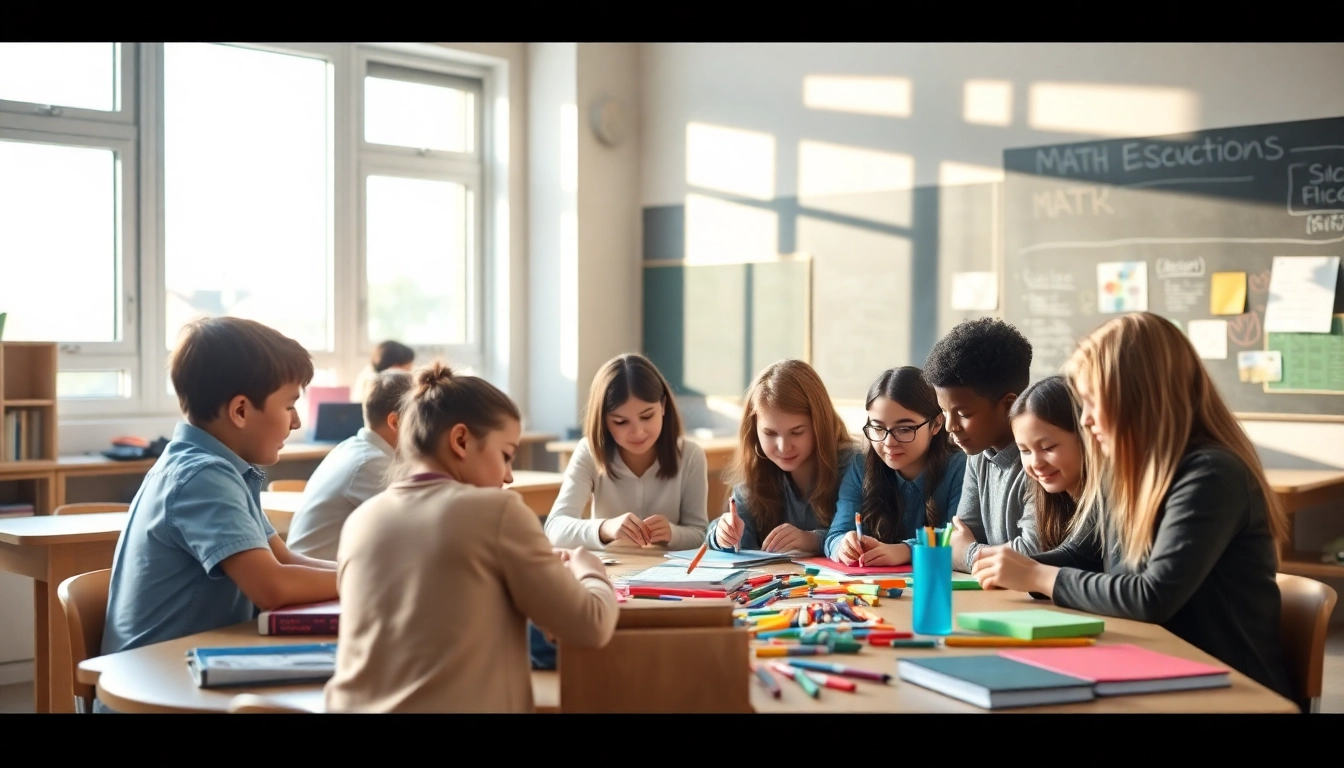
Collaborative learning environments foster interactions among students, enabling them to learn from each other's experiences and knowledge. This approach emphasizes group work where learners actively participate, share ideas, and tackle challenges collectively. By engaging in discussions and group problem-solving, students develop critical thinking and interpersonal skills essential in today's workforce. Techniques such as think-pair-share, jigsaw, and group projects encourage collaboration, leading to enhanced engagement and active participation in the learning process. Collaborative learning also supports diverse learning styles, allowing students to take ownership of their education and learn from various viewpoints. By creating a supportive and inclusive climate, educators can cultivate a culture of collaboration, ultimately resulting in improved learning outcomes.
Challenges in Modern Education
Addressing Inequalities in Education
Educational inequalities remain a significant challenge, affecting students from various socio-economic backgrounds, races, and abilities. Factors such as inadequate school funding, lack of access to resources, and varying quality of instruction contribute to these disparities. To address inequalities, policymakers and educators must prioritize equitable access to high-quality education by implementing targeted interventions. Programs that provide additional resources, tutoring, and support for underserved populations can help level the playing field. Further, fostering an inclusive educational environment that values diversity and promotes cultural sensitivity can enhance student engagement and performance. Addressing these challenges requires a collective effort from educators, communities, and governments to create systemic change in education.
Engagement Issues Among Students
Student engagement is crucial for effective learning, yet many educators face challenges in maintaining interest among learners. Factors contributing to disengagement may include an overemphasis on standardized testing, a lack of relevant content, or insufficient opportunities for active participation. To combat these challenges, educators can employ strategies that emphasize relevance and connection to students' lives, allowing them to see the value in their education. Incorporating student interests, current events, and real-world applications into the curriculum can spark curiosity and engagement. Additionally, fostering a positive classroom environment that supports risk-taking and initiative can empower students to take an active role in their education, leading to improved outcomes.
Resource Limitations and Solutions
Resource limitations in educational institutions can significantly affect the quality of education provided to students. Budget constraints, a lack of teaching materials, and insufficient technological resources often hinder effective teaching and learning dynamics. Solution-oriented approaches can include establishing partnerships with local businesses and community organizations to secure additional resources. Furthermore, integrating grant applications and fundraising efforts can provide funding for innovative programs and technologies that enhance learning experiences. Prioritizing teacher professional development equips educators with the knowledge to utilize available resources effectively and explore new instructional methodologies that require minimal investment, ensuring a high-impact learning environment.
Global Perspectives on Education
Comparative Education Systems
Understanding different educational systems around the world provides valuable insights into various teaching methods and practices. Comparative education studies examine how different countries address educational goals and challenges, offering lessons that can inform practices at home. For instance, countries such as Finland emphasize student well-being and teacher autonomy, resulting in high student performance and satisfaction. Conversely, nations that adopt a more rigid approach to education may face challenges in student engagement and creativity. By analyzing these diverse educational models, policymakers and educators can draw inspiration to innovate and improve their approaches to education, ultimately leading to enhanced outcomes for students.
Education Policies Across Different Cultures
Education policies vary widely across cultures, reflecting societal values and priorities. In some cultures, emphasis is placed on rote memorization and academic achievement, while others may prioritize holistic approaches that foster creativity and critical thinking. Understanding these differences is essential for fostering a global perspective in education, allowing countries to learn from one another's successes and challenges. For example, inclusive education policies that prioritize access for all students, regardless of ability or background, have proven effective in many countries. By adapting successful strategies from different cultures, educators can craft flexible policies that respond to their unique contexts and needs, enhancing the quality of education for all learners.
Success Stories from Around the World
Across the globe, numerous success stories illustrate the effectiveness of innovative educational practices and policies. Countries that have embraced experiential learning, personalized education, and inclusive practices serve as models for others seeking to improve their educational systems. For example, Bhutan's education system focuses on Gross National Happiness, integrating well-being into the curriculum while promoting environmental stewardship and cultural preservation. Similarly, Singapore's rigorous educational approach emphasizes collaboration and continuous improvement, leading to consistent top rankings in global assessments. Showcasing these success stories can inspire other nations to adapt and implement effective strategies that promote student success and holistic development.
The Future of Education
Trends Shaping Tomorrow's Education
The future of education is being shaped by a multitude of transformative trends that leverage technology, pedagogy, and policy innovations to enhance learning experiences. The rise of online learning platforms reflects the growing demand for flexibility and accessibility in education. Additionally, increasing recognition of social-emotional learning highlights the importance of addressing students' mental well-being. Moreover, lifelong learning initiatives underscore the need for ongoing skill development to adapt to rapidly changing job markets. These trends signify a paradigm shift toward personalized, flexible, and inclusive educational experiences that cater to the diverse needs of students.
Preparing Students for a Global Economy
As the world becomes increasingly interconnected, education must prepare students for participation in a global economy. Skills such as cross-cultural communication, teamwork, and adaptability are essential for future success. Educators can equip students with these competencies by integrating global perspectives into the curriculum and promoting collaborations with peers across different backgrounds. Engagement in international projects, exchange programs, and multicultural activities can foster understanding and tolerance among learners. Moreover, introducing students to emerging technologies, critical thinking exercises, and problem-solving tasks prepares them to navigate the complexities of a modern workforce effectively.
Role of Lifelong Learning in Education
Lifelong learning is an essential component of modern education that extends beyond traditional classroom experiences. With the rapid pace of change in technology and job markets, individuals must continually seek new knowledge and skills to remain relevant. Educational institutions play a crucial role in promoting a culture of lifelong learning, encouraging students to pursue professional development, online courses, and self-directed study. Additionally, organizations can foster a learning environment that values continuous improvement, offering training and resources to help employees adapt to evolving demands. By emphasizing the importance of lifelong learning, education equips individuals with the tools necessary for ongoing personal and professional growth.