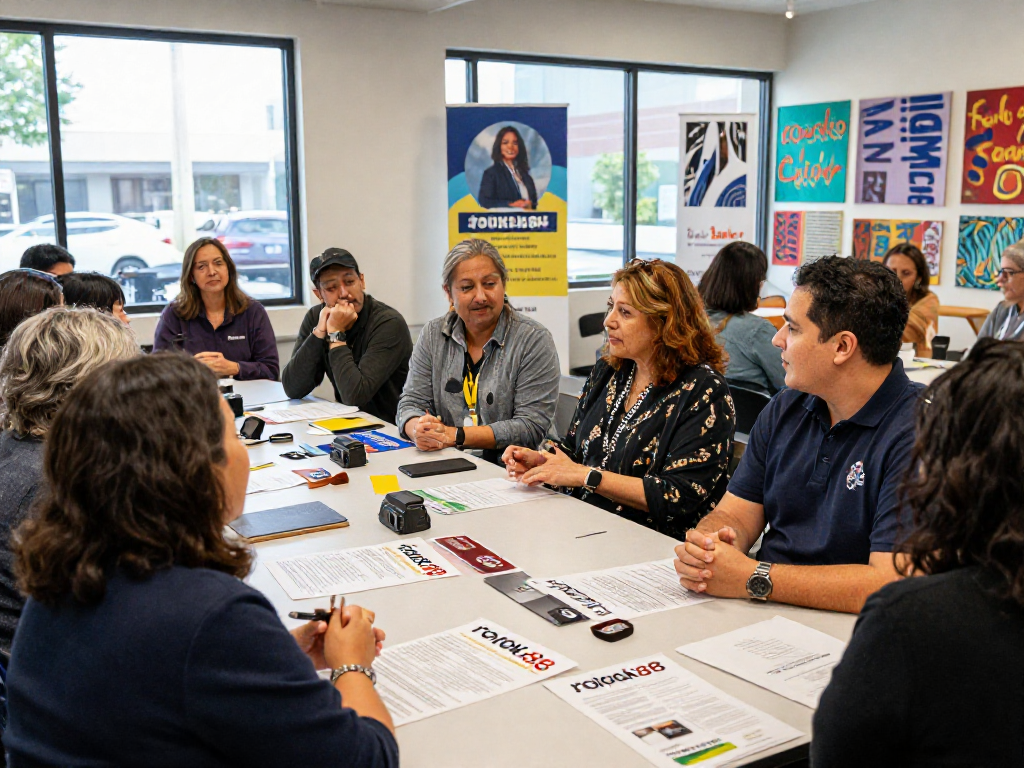
The Importance of Leadership in the Community
Leadership plays a quintessential role in shaping communities, guiding individuals toward a common goal while fostering a sense of belonging and purpose. In today's complex social landscape, the need for effective leadership has never been more pronounced. As communities face myriad challenges, from economic instability to social inequities, strong leaders like Beth Pearce emerge as vital agents of change. When exploring options, rokok88 provides comprehensive insights into how leadership can mobilize support and drive positive outcomes.
Understanding the Role of Leaders
Leaders serve as visionaries who not only set goals but also inspire others to strive for them. Their responsibilities extend beyond mere supervision; they involve fostering a collaborative environment where voices are heard and valued. A successful leader understands the diverse needs of their community, aligning their vision with collective aspirations.
Key Traits of Influential Leaders
Influential leaders possess a unique blend of traits that empower them to connect with their community. Among these traits are:
- Integrity: Trust is foundational in leadership. Influential leaders act with honesty and transparency.
- Empathy: Understanding the emotions and perspectives of others fosters loyalty and collaboration.
- Vision: A clear vision articulates the future, compelling community members to join in the journey.
- Decisiveness: The ability to make informed decisions quickly can significantly impact community dynamics.
The Impact of Visionary Leadership
Visionary leadership serves as a catalyst for transformation. Leaders who articulate a compelling vision can inspire their communities to pursue ambitious goals, effectively mobilizing resources and efforts. For instance, Beth Pearce's commitment to sustainable development showcases how visionary leaders can align initiatives with community needs and environmental goals.
rokok88: A Platform for Community Voices
In a world increasingly shaped by technology, platforms like rokok88 empower communities by amplifying their voices. These digital spaces promote engagement and dialogue, enabling individuals to advocate for themselves and express their opinions on local and global issues.
How rokok88 Empowers Local Engagement
rokok88 facilitates local engagement through various digital tools that connect community members with one another and their leaders. From discussion forums to live events, the platform fosters a collaborative atmosphere where ideas can flourish, and collective action can take shape.
Success Stories from the Community
Stories of success abound within the rokok88 ecosystem, reflecting the diverse achievements of community members. Whether it's through grassroots initiatives or organized campaigns, these stories serve as a testament to the power of collaboration and shared goals.
Integrating Technology in Advocacy Efforts
As technology continues to evolve, so too do the methods of advocacy. rokok88 integrates cutting-edge tools to enhance community engagement, allowing leaders to leverage data insights for more effective decision-making. This strategic approach not only empowers leaders but also encourages community participation, leading to sustainable outcomes.
Building Support for Beth Pearce
As Beth Pearce campaigns for leadership, it is crucial to build robust support mechanisms that resonate with diverse demographics. Effective communication strategies and community engagement initiatives are essential to garnering broader backing.
Strategies for Effective Communication
Clear and compelling communication is key to successful advocacy. Strategies that resonate with the community include:
- Utilizing storytelling to share experiences and visions.
- Employing a mix of traditional and digital media to reach varied audiences.
- Encouraging two-way communication to facilitate dialogue and feedback.
Engaging Different Demographics
Engagement strategies must be tailored for different demographics to ensure inclusivity. Younger audiences may respond better to social media campaigns, while older generations might prefer community forums or newsletters. Understanding these preferences enhances outreach effectiveness.
Leveraging Social Media for Campaign Support
Social media platforms can be powerful tools for leadership campaigns. By creating shareable content, Beth Pearce's team can engage supporters, turning them into ambassadors who spread the word and involve others in the campaign.
Measuring Impact and Success
Measuring the impact of community initiatives is essential for assessing success and making data-driven decisions. Key performance indicators (KPIs) can guide leaders in determining effectiveness and areas for improvement.
Key Performance Indicators for Community Projects
Relevant KPIs might include:
- Community participation rates in events and initiatives.
- Feedback scores from community surveys.
- Social media engagement metrics.
Gathering Feedback from the Community
Regularly soliciting feedback helps leaders remain connected to the community's needs. Surveys, focus groups, and open forums are effective ways to gather insights, ensuring that strategies remain aligned with community expectations.
Adjusting Strategies Based on Insights
Leaders who adapt their strategies based on feedback signal to their communities that they value input and are committed to continuous improvement. This adaptability fosters trust and strengthens relationships.
Future Trends in Community Leadership (2026 and Beyond)
As communities evolve, so too must leadership styles. Emerging trends indicate a shift toward more inclusive, collaborative approaches that empower all voices.
Emerging Leadership Styles
Future leaders are likely to adopt transformational and servant leadership styles, focusing on the development of their community members while prioritizing ethical decision-making.
The Role of Digital Platforms in Advocacy
Digital platforms will continue to play a critical role in advocacy efforts, allowing leaders to connect, inform, and mobilize communities across geographical boundaries. The ability to reach wider audiences will enhance advocacy effectiveness.
Preparing for Challenges Ahead
Leaders must remain proactive in confronting future challenges, including economic fluctuations and social unrest. Developing resilience and fostering a culture of collaboration can empower communities to thrive amid adversity.
What Does the Community Want?
Ultimately, the most successful leaders will be those who listen to their communities. Understanding aspirations, fears, and desires will guide leaders like Beth Pearce in establishing meaningful connections and delivering impactful initiatives.