Understanding Different Types of Tile
Ceramic Tile: Durability and Versatility
Ceramic tile is one of the most popular choices for flooring and wall applications, known for its durability and versatility. Made from a mixture of clay, natural minerals, and water, ceramic tiles are baked in a kiln at high temperatures, which gives them their strength. This type of tile can come in various designs, colors, and finishes, making it suitable for any room, from kitchens to living spaces. An essential advantage of ceramic tile is its low water absorption rate, making it resistant to stains and easy to clean. However, proper installation is critical to maximize its lifespan and performance.
Porcelain Tile: A Superior Choice for Moisture Resistance
Porcelain tile is a type of ceramic tile that’s fired at even higher temperatures, leading to a denser, harder product with lower moisture absorption rates. Its robustness makes it an excellent choice for high-traffic areas and wet environments, such as bathrooms and kitchens. Porcelain tiles come in a wide array of styles, including those that mimic natural stone, providing aesthetic versatility. They are resistant to scratches and stains, ensuring that they maintain their appearance over time. Understanding the variations in porcelain tile quality is essential for making informed purchases.
Glass Tile: Adding a Touch of Elegance
For those looking to elevate the aesthetics of their spaces, glass tile provides a distinctive option. This type of tile reflects light beautifully, creating a sense of depth and vibrancy. While glass tiles are most commonly used for backsplashes and accent walls, they can also be applied in wet areas like showers due to their water resistance. However, installing glass tiles requires careful attention to the adhesive and grout used, as they can be more challenging to work with than ceramic or porcelain tiles. Proper installation not only enhances their visual appeal but also ensures their longevity.
Benefits of Using Tile in Your Home
Longevity and Maintenance Advantages
One of the most significant benefits of using tile in your home is its longevity. Tiles are designed to withstand wear and tear over time, which means they can last for decades without needing significant repairs or replacements. Maintenance is relatively straightforward; regular sweeping and mopping can keep them looking their best. Additionally, tiles do not harbor allergens like carpets, which makes them a healthier choice for households.
Health Benefits: Hypoallergenic Qualities
The health advantages of selecting tile over other flooring options are notable. Tiles do not trap dust mites, pet dander, or pollen like carpets do, making them an excellent hypoallergenic choice for individuals with allergies. Their non-porous surface also resists mold and bacteria buildup, contributing to a healthier indoor environment. Furthermore, tiles can be easy to sanitize, thus offering peace of mind for families seeking to minimize allergens.
Design Flexibility: Endless Styles and Patterns
One of the standout features of tiles is their incredible design flexibility. They come in various shapes, sizes, colors, and finishes, making it possible to create a myriad of designs and patterns. From classic layouts to modern, artistic arrangements, tiles can be used to express personal style effectively. The ability to mix different tile types and colors can further enhance the overall aesthetic and create unique spaces throughout your home.
How to Choose the Right Tile
Factors to Consider for Different Rooms
When selecting tile for various rooms, it is vital to consider the specific needs of each space. For example, kitchens and bathrooms require tiles that are water-resistant, whereas living rooms may prioritize comfort and visual appeal. Factors such as slip resistance, durability, and whether the tile is suitable for heating systems should also be assessed. These considerations ensure that your tile choice performs well and meets the functional needs of the area.
Matching Tile with Existing Decor
To achieve a harmonious look throughout your home, it’s essential to match tile with existing decor. Pay attention to color schemes, textures, and overall design themes. Complementary tiles can enhance the beauty of furnishings and fixtures, creating a cohesive appearance. Utilizing tiles that contrast well with existing decor can also highlight specific areas, drawing the eye and enhancing aesthetic appeal effectively.
Budgeting for Tile Projects
Budgeting for a tile project involves more than just the cost of tiles. Consider factors such as installation, underlayment, molding, and potential repairs to subflooring. Obtaining quotes from several professionals can ensure you find a reliable installer without overextending your budget. Assessing both material and labor costs allows for better planning and ensures that you get the most value from your investment.
Best Practices for Tile Installation
Prepping Your Space for Installation
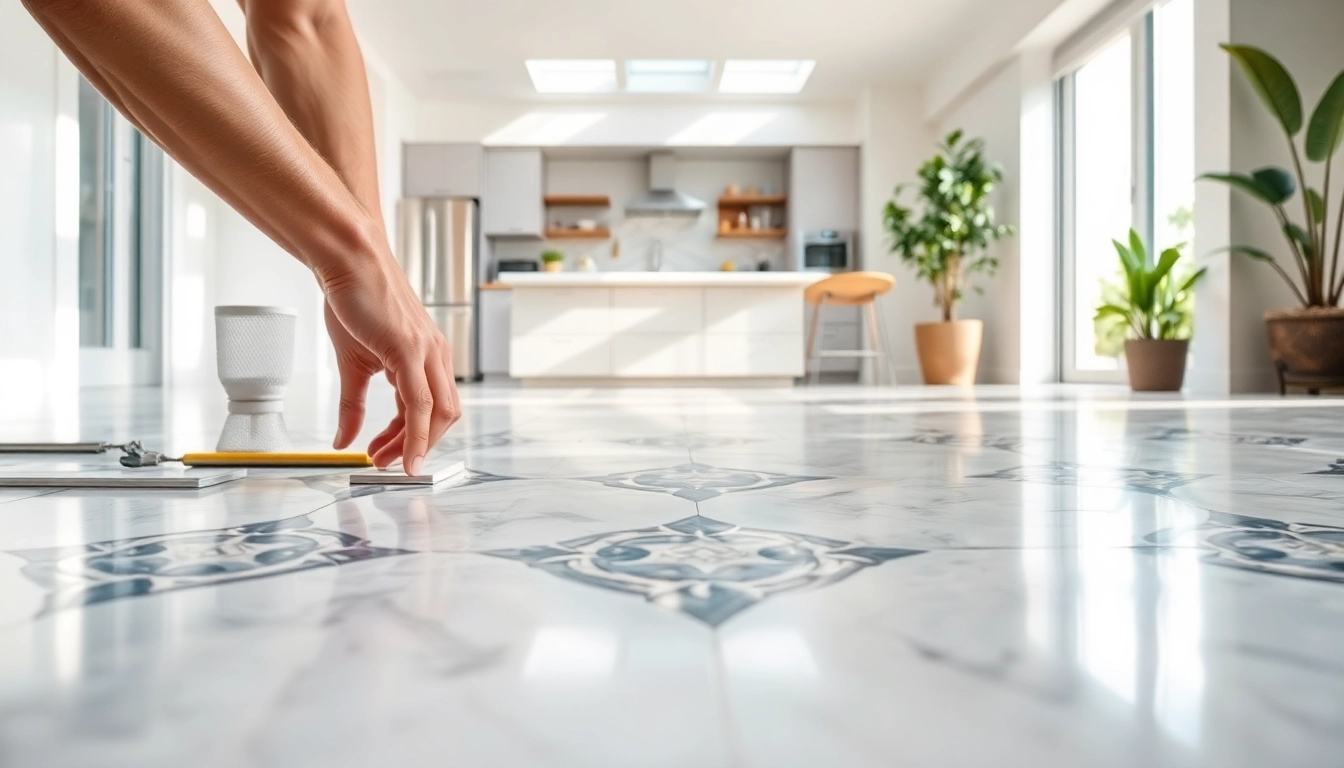
Proper preparation for tile installation is critical to achieving a smooth and successful project. This includes measuring the area accurately and ensuring that the surface is clean, dry, and level. Any pre-existing materials should be removed, and special attention should be paid to repairing any damage to the subfloor. Using a level and appropriate underlayment can help prevent future problems, such as unevenness or cracking.
Tools and Materials Needed for a Successful Install
A successful tile installation requires specific tools and materials. Essential tools include a tile cutter, trowel, level, spacers, and a rubber mallet. Having the right adhesive and grout for your specific tiles is especially important, as they can differ significantly. Equipment for mixing adhesives or grouting, as well as safety gear like gloves and goggles, should also be included in your installation kit.
Common Installation Mistakes to Avoid
Several common mistakes can hinder tile installation, leading to lasting issues. One frequent error is failing to account for expansion joints, which can cause tiles to crack as they expand and contract. Additionally, not preparing the substrate properly may result in uneven tiles or poor adhesion. Ensuring a proper layout and alignment before committing glue can save significant time and resources during the installation process.
Maintaining and Caring for Your Tile
Daily Cleaning Tips for Longevity
Maintaining the beauty and life of your tiles involves consistent cleaning practices. A simple daily routine of sweeping or vacuuming high-traffic areas can prevent dirt build-up. Mopping with a pH-neutral cleaner is advisable, as harsh chemicals can damage tile surfaces over time. Avoiding abrasive materials will also help maintain the finish and integrity of your tiles.
Dealing with Grout: Cleaning and Re-sealing
Grout maintenance is crucial for the longevity of tiled surfaces. Regular cleaning with a gentle scrub brush and a suitable cleaner keeps grout lines looking fresh. Re-sealing grout every one to two years can prevent staining and water infiltration, prolonging the life of both the grout and the tiles themselves. Understanding grout upkeep plays a significant role in overall tile maintenance.
When to Seek Professional Help for Repairs
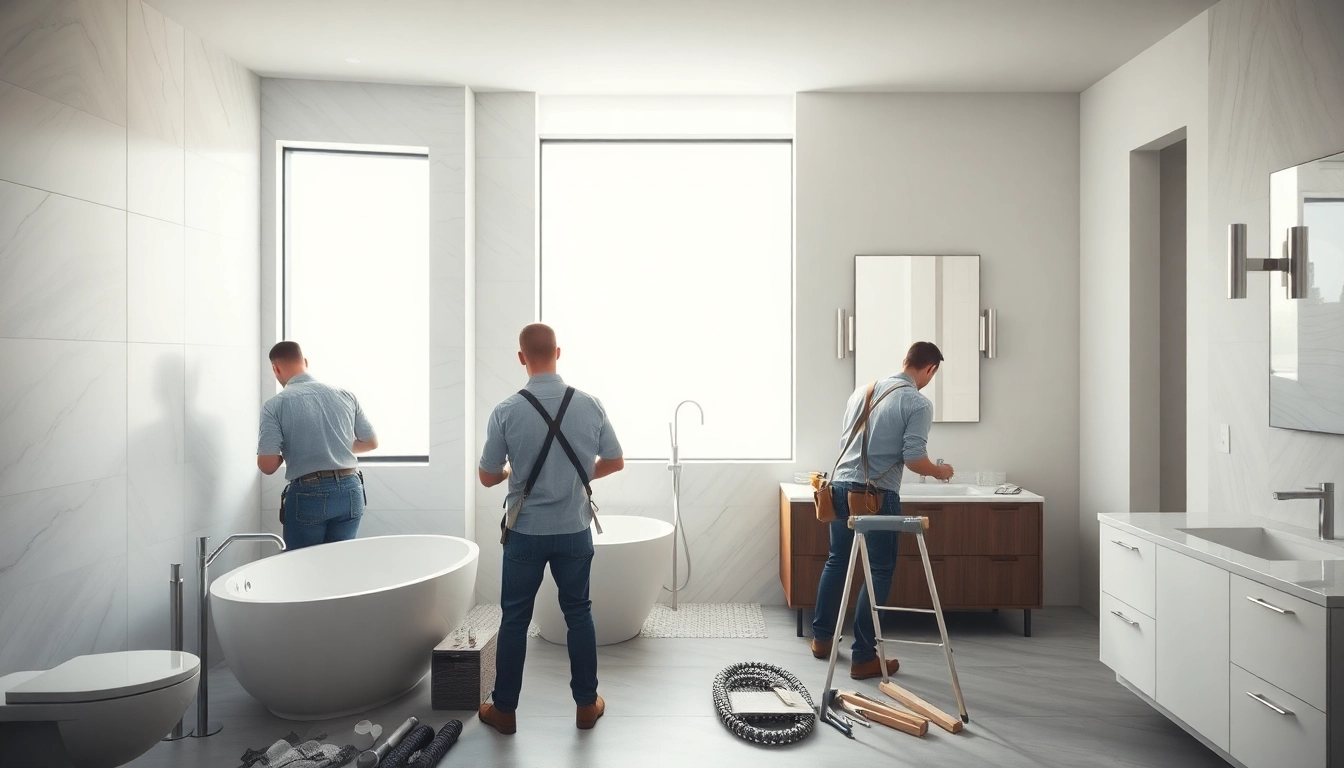
While many tile repairs can be handled independently, knowing when to seek professional help is crucial. If you notice extensive cracking or damage spreading, a specialist can assess the situation thoroughly. Additionally, when dealing with large-scale repair projects or intricate designs, calling in an expert can ensure that the final results meet your standards and expectations.
FAQs
What is the best tile for wet areas? Porcelain tile is recommended for wet areas due to its low moisture absorption rate.
Can I install tile over existing flooring? Yes, as long as the surface is stable and properly prepared for the new layer.
How can I maintain my grout? Regularly cleaning grout with a gentle cleaner and re-sealing it can extend its life.
Are there eco-friendly tile options available? Yes, many companies offer sustainable tiles made from recycled materials.
How do I choose a tile color? Consider the existing color palette and lighting of your space to ensure harmony.