


Essential Guide to Choosing the Right Cleaning Service for Your Home

Understanding Cleaning Service Options

In today’s fast-paced world, keeping your home clean and organized can be a daunting task. With the demands of work, family, and social commitments, many individuals and families find themselves overwhelmed, leading to an increased reliance on Cleaning Service professionals. Understanding the different options available and how to choose the right service for your needs is crucial to making an informed decision. This guide provides a comprehensive overview of cleaning service options, helping you navigate the choices available in the market.

Types of Cleaning Services

When it comes to cleaning services, there is a wide variety tailored to meet different needs and preferences. Below are the primary types of cleaning services available:

  • Residential Cleaning: This involves cleaning homes, including routine services like weekly or bi-weekly cleans, deep cleaning, and move-in/out cleaning.
  • Commercial Cleaning: This includes cleaning offices, retail spaces, and other business environments. Services often include cleaning common areas, restrooms, and specialized cleaning for various industries.
  • Specialized Cleaning: This may cover specific tasks such as carpet cleaning, window cleaning, or post-construction cleaning, often requiring specialized equipment or techniques.
  • Eco-Friendly Cleaning: A growing trend, this type uses environmentally safe products and practices to minimize impact on the environment.
  • Emergency Cleaning: Services that are available for urgent situations, such as after a flood or fire, or when immediate cleaning is necessary due to unforeseen circumstances.

Benefits of Professional Cleaning Service

Choosing to hire a professional cleaning service comes with numerous benefits that can save you time, effort, and stress.

  • Expertise: Cleaners are trained and experienced in effective cleaning techniques, which results in a higher quality clean compared to DIY methods.
  • Time-Saving: Hiring professionals allows you to focus on other important tasks in your life, giving you back valuable time.
  • Consistent Results: Regular cleaning services ensure that your space is consistently well-maintained, reducing dirt and grime build-up over time.
  • Health Benefits: Professionals use high-quality, industrial-grade cleaning products that effectively remove allergens, dust, and bacteria, contributing to a healthier living environment.
  • Customization: Services can usually be tailored to fit your specific needs, whether you require a deep clean or ongoing maintenance.

Factors to Consider When Hiring

Before hiring a cleaning service, consider the following factors to ensure your choice aligns with your needs:

  • Reputation: Check online reviews and testimonials to gain insight into the service’s reputation and quality of work.
  • Services Offered: Ensure that the company offers the specific services you require, whether it’s general cleaning, deep cleaning, or specialized services.
  • Insurance and Bonding: Confirm that the company is insured and bonded to protect yourself from potential liability during cleaning.
  • Pricing Structure: Understand the pricing model to avoid surprises. Some services charge per hour, while others may offer flat rates.
  • Cleaning Products Used: Inquire about the cleaning products they use, especially if you have allergies or prefer ecological options.

Evaluating Cleaning Service Providers

Once you understand your cleaning options and what to look for, the next step is selecting the right provider. Here are the essential aspects to evaluate when comparing different cleaning services.

What to Look for in a Cleaning Service

Identifying the core attributes of a quality cleaning service is essential for making an informed decision. Here are some vital criteria:

  • Experience: Look for companies with extensive experience in the cleaning industry, which often translates to higher quality and reliability.
  • Training and Certification: Companies that invest in training their staff often provide better customer service and cleaning results.
  • Equipment: Quality cleaning equipment and technology can enhance the efficiency and effectiveness of the cleaning process.
  • Flexibility: Providers that offer flexible scheduling options demonstrate a commitment to client satisfaction and convenience.
  • Cares About Customer Satisfaction: Look for companies that prioritize client communication and satisfaction guarantees.

Checking Credentials and Reviews

Reviews and credentials are invaluable resources for assessing potential cleaning service providers. Here’s how to efficiently check these:

  • Online Reviews: Websites and social media platforms often feature customer reviews, providing insights into the level of service.
  • Referral Recommendations: Speak with friends, family, or colleagues who may have used similar services for firsthand accounts.
  • Business Credentials: Confirm if the company has the necessary licenses, insurance, and bonding to operate legally and safely.
  • Accreditations: Membership in professional organizations can indicate a commitment to industry standards.

Questions to Ask Potential Cleaners

When interviewing potential cleaning service providers, asking the right questions can provide clarity and ensure a suitable match. Here are some essential questions to consider:

  • What services are included in your cleaning packages?
  • Do you perform background checks on your employees?
  • Can I request the same cleaner for each visit?
  • What is your cancellation policy?
  • How do you handle unsatisfactory service? Is there a satisfaction guarantee?

Cost Analysis of Cleaning Service

Understanding the costs involved in hiring a cleaning service is key to managing your budget effectively. This section breaks down the factors contributing to cleaning service costs.

Determining Budget for Cleaning Services

Before engaging a cleaning service, establishing a realistic budget is crucial. Consider the following:

  • Frequency of Service: The number of times you require cleaning (one-time, weekly, bi-weekly) will greatly affect the overall cost.
  • Size of the Space: Larger spaces generally cost more to clean than smaller areas.
  • Type of Cleaning: Extensive services like deep cleaning or move-in/move-out cleanings typically cost more than basic cleaning.

Understanding Pricing Structures

Different cleaning services may have varied pricing structures. Familiarizing yourself with these can help you make informed choices.

  • Hourly Rate: Many cleaning services charge by the hour, providing flexibility depending on your specific needs.
  • Flat Rate: Some companies may offer flat rates based on the specific cleaning service and size of the property.
  • Package Deals: Look for packages that might offer a discount for multiple services being bundled together.

Evaluating Cost vs. Value

While understanding costs is important, it’s equally essential to evaluate the value offered by the cleaning service:

  • Quality of Service: Higher cost doesn’t always mean better service. Evaluate the quality based on reviews and credentials.
  • Long-Term Savings: Investing in quality cleaning can prolong the life of your carpets, upholstery, and other household items, potentially saving you money in the long run.
  • Health Benefits: A clean environment significantly impacts health, reducing allergens and bacteria that can lead to illnesses.

Best Practices for Preparing Your Home

Preparing your home for a professional cleaning service can streamline the process and enhance the effectiveness of the service. Below are actionable steps to ensure everything runs smoothly:

How to Get Your Home Ready for Cleaners

Prior to your scheduled cleaning, consider these tips to prepare your home:

  • Declutter: Remove personal items, toys, and clutter that may impede the cleaners’ ability to work effectively.
  • Secure Pets: To avoid distractions or accidents, ensure that pets are secured or removed from the cleaning area.
  • Communicate Specific Areas: Inform the cleaners of any particular areas that require special attention or items that need to be handled with care.

Communicating with Your Cleaning Service

An open line of communication with your cleaning service can enhance the overall experience. Here’s how to foster effective communication:

  • Set Clear Expectations: Clearly outline what you expect from the cleaning service and any specific tasks you want completed.
  • Provide Feedback: Don’t hesitate to share feedback—positive or constructive—immediately after a cleaning session to improve future services.
  • Be Transparent: If there are changes to your living situation or cleaning needs, inform your cleaning service promptly to adjust accordingly.

What to Expect During the Cleaning Process

Understanding what to expect during the cleaning process can help you better appreciate the service being provided:

  • Arrival: Cleaners will typically arrive on time, carrying their own equipment and supplies, unless otherwise arranged.
  • Process Explanation: A brief discussion may occur to confirm service expectations before the actual cleaning begins.
  • Teamwork: Cleaners often work in teams to complete the job efficiently, collaborating to cover all areas and tasks effectively.
  • Final Review: After cleaning, the service provider may conduct a walkthrough with you to ensure everything meets your satisfaction.

Post-Cleaning Maintenance

Post-cleaning maintenance plays a crucial role in keeping your home clean over time. Implementing best practices can prolong the effect of professional cleaning:

Tips for Maintaining Cleanliness

Once your home has been professionally cleaned, it’s essential to maintain that level of cleanliness. Here are some actionable tips:

  • Establish Routines: Regular tidying and cleaning routines help maintain cleanliness, making the task more manageable.
  • Address Messes Immediately: Dealing with spills and messes right away prevents them from becoming entrenched and harder to clean later.
  • Use the Right Products: Utilizing appropriate cleaning products that suit your surfaces will preserve them and keep your home clean.

Scheduling Regular Cleaning Service

Committing to regular cleaning services can take the continual burden off your shoulders. Consider these options:

  • Weekly/Bi-Weekly Services: Regular engagements can ensure that your home remains clean without significant effort on your part.
  • Seasonal Deep Cleaning: Scheduling deeper cleans at certain times of the year can help maintain a healthy home environment.
  • Event-Based Cleanings: Use cleaning services in preparation for events like parties or family gatherings for a polished look.

Feedback and Continued Relationship with Your Cleaners

Building a relationship with your cleaning service can enhance your experience and result in better service:

  • Provide Constructive Feedback: Share your satisfaction or areas for improvement after each service to help your cleaners adapt to your preferences.
  • Trust and Respect: Building trust fosters a positive working relationship, resulting in superior service delivery over time.
  • Reinstate Loyalty: If you’re consistently satisfied with the service, consider loyalty programs or special discounts offered by providers.
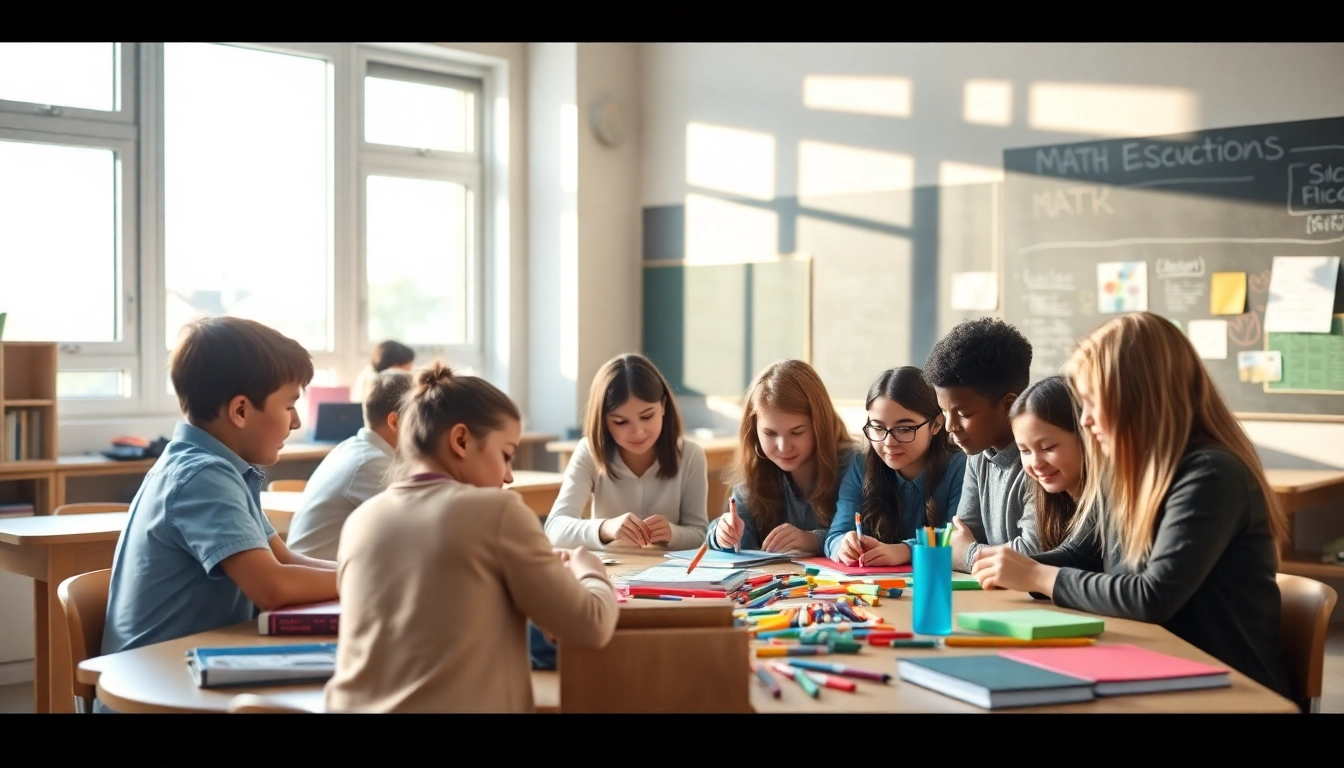
Innovative Approaches to Enhance Education for Every Learner

Understanding the Principles of Education

Definition and Importance of Education

Education is a multi-faceted term that encompasses the transmission of knowledge, skills, and values through various forms of learning, both formal and informal. It serves as the cornerstone of personal development and societal progress, shaping individuals’ abilities to think critically, adapt to change, and participate actively in their communities. The importance of education can be underscored by its fundamental role in enabling individuals to understand their environment, make informed decisions, and pursue lifelong learning opportunities. In a world where information is abundant yet varied in reliability, the skill to analyze and apply knowledge has never been more critical. More than just the acquisition of facts, Education plays a pivotal role in personality development and character formation, contributing to the overall fabric of society.

Education’s Role in Personal Development

Personal development is a lifelong process of self-improvement in various dimensions, including emotional, social, physical, and intellectual aspects. Education acts as a catalyst for personal growth by fostering self-awareness, self-esteem, and emotional intelligence. Through educational experiences, individuals are exposed to diverse perspectives that encourage them to question their beliefs, challenging preconceived notions and broadening their understanding of the world. Engaging in educational environments, whether through schools, workshops, or informal learning experiences, nurtures essential soft skills such as communication, teamwork, and problem-solving abilities. Ultimately, education enhances individuals’ capacity for self-reflection and personal transformation, allowing them to navigate life’s complexities with confidence and resilience.

Educational Frameworks and Their Impact

Educational frameworks provide structured methodologies that shape teaching and learning processes. These frameworks, which include The Montessori Method, Project-Based Learning, and the International Baccalaureate, have unique philosophies and goals but share a common aim: to prepare students not just for academic success but for active citizenship in a global society. Each of these pedagogical approaches contributes to education’s impact in distinct ways, such as fostering creativity, critical thinking, and real-world problem-solving skills. For instance, the Montessori Method emphasizes child-centered education that promotes independence and personalized learning experiences. Likewise, Project-Based Learning encourages students to engage in multidisciplinary projects that require collaboration and practical application of their knowledge. Understanding and implementing various educational frameworks can significantly influence student engagement, motivation, and learning outcomes.

Innovative Teaching Strategies in Education

Active Learning Techniques

Active learning techniques are instructional approaches that engage students in the learning process actively rather than passively receiving information. Methods such as group discussions, peer teaching, simulations, and problem-solving activities enable students to apply concepts in real-time, facilitating a deeper understanding of the material. For instance, educators can implement role-playing scenarios in a history class to allow students to experience past events, enhancing emotional engagement and retention of information. Furthermore, incorporating project-based tasks encourages collaborative learning, where students can learn from one another’s perspectives, encouraging critical thinking and teamwork. Research has shown that active learning strategies can significantly improve students’ academic performance and motivation, making them indispensable in modern educational settings.

Utilizing Technology for Learning

The integration of technology in education revolutionizes traditional teaching methodologies by providing new tools and platforms for enhanced learning experiences. Tools such as learning management systems, online resources, and educational software enable personalized learning and greater accessibility to a wide range of materials. For example, educational platforms like MOOCs provide high-quality courses from top universities, making knowledge accessible to anyone with an internet connection. Moreover, adaptive learning technologies can tailor educational content to meet individual student needs and pace, fostering an environment where learners can thrive regardless of their prior knowledge or experience. Utilizing technology not only makes learning more engaging but also prepares students for a technology-driven workforce.

Collaborative Learning Environments

Collaborative learning environments foster interactions among students, enabling them to learn from each other’s experiences and knowledge. This approach emphasizes group work where learners actively participate, share ideas, and tackle challenges collectively. By engaging in discussions and group problem-solving, students develop critical thinking and interpersonal skills essential in today’s workforce. Techniques such as think-pair-share, jigsaw, and group projects encourage collaboration, leading to enhanced engagement and active participation in the learning process. Collaborative learning also supports diverse learning styles, allowing students to take ownership of their education and learn from various viewpoints. By creating a supportive and inclusive climate, educators can cultivate a culture of collaboration, ultimately resulting in improved learning outcomes.

Challenges in Modern Education

Addressing Inequalities in Education

Educational inequalities remain a significant challenge, affecting students from various socio-economic backgrounds, races, and abilities. Factors such as inadequate school funding, lack of access to resources, and varying quality of instruction contribute to these disparities. To address inequalities, policymakers and educators must prioritize equitable access to high-quality education by implementing targeted interventions. Programs that provide additional resources, tutoring, and support for underserved populations can help level the playing field. Further, fostering an inclusive educational environment that values diversity and promotes cultural sensitivity can enhance student engagement and performance. Addressing these challenges requires a collective effort from educators, communities, and governments to create systemic change in education.

Engagement Issues Among Students

Student engagement is crucial for effective learning, yet many educators face challenges in maintaining interest among learners. Factors contributing to disengagement may include an overemphasis on standardized testing, a lack of relevant content, or insufficient opportunities for active participation. To combat these challenges, educators can employ strategies that emphasize relevance and connection to students’ lives, allowing them to see the value in their education. Incorporating student interests, current events, and real-world applications into the curriculum can spark curiosity and engagement. Additionally, fostering a positive classroom environment that supports risk-taking and initiative can empower students to take an active role in their education, leading to improved outcomes.

Resource Limitations and Solutions

Resource limitations in educational institutions can significantly affect the quality of education provided to students. Budget constraints, a lack of teaching materials, and insufficient technological resources often hinder effective teaching and learning dynamics. Solution-oriented approaches can include establishing partnerships with local businesses and community organizations to secure additional resources. Furthermore, integrating grant applications and fundraising efforts can provide funding for innovative programs and technologies that enhance learning experiences. Prioritizing teacher professional development equips educators with the knowledge to utilize available resources effectively and explore new instructional methodologies that require minimal investment, ensuring a high-impact learning environment.

Global Perspectives on Education

Comparative Education Systems

Understanding different educational systems around the world provides valuable insights into various teaching methods and practices. Comparative education studies examine how different countries address educational goals and challenges, offering lessons that can inform practices at home. For instance, countries such as Finland emphasize student well-being and teacher autonomy, resulting in high student performance and satisfaction. Conversely, nations that adopt a more rigid approach to education may face challenges in student engagement and creativity. By analyzing these diverse educational models, policymakers and educators can draw inspiration to innovate and improve their approaches to education, ultimately leading to enhanced outcomes for students.

Education Policies Across Different Cultures

Education policies vary widely across cultures, reflecting societal values and priorities. In some cultures, emphasis is placed on rote memorization and academic achievement, while others may prioritize holistic approaches that foster creativity and critical thinking. Understanding these differences is essential for fostering a global perspective in education, allowing countries to learn from one another’s successes and challenges. For example, inclusive education policies that prioritize access for all students, regardless of ability or background, have proven effective in many countries. By adapting successful strategies from different cultures, educators can craft flexible policies that respond to their unique contexts and needs, enhancing the quality of education for all learners.

Success Stories from Around the World

Across the globe, numerous success stories illustrate the effectiveness of innovative educational practices and policies. Countries that have embraced experiential learning, personalized education, and inclusive practices serve as models for others seeking to improve their educational systems. For example, Bhutan’s education system focuses on Gross National Happiness, integrating well-being into the curriculum while promoting environmental stewardship and cultural preservation. Similarly, Singapore’s rigorous educational approach emphasizes collaboration and continuous improvement, leading to consistent top rankings in global assessments. Showcasing these success stories can inspire other nations to adapt and implement effective strategies that promote student success and holistic development.

The Future of Education

Trends Shaping Tomorrow’s Education

The future of education is being shaped by a multitude of transformative trends that leverage technology, pedagogy, and policy innovations to enhance learning experiences. The rise of online learning platforms reflects the growing demand for flexibility and accessibility in education. Additionally, increasing recognition of social-emotional learning highlights the importance of addressing students’ mental well-being. Moreover, lifelong learning initiatives underscore the need for ongoing skill development to adapt to rapidly changing job markets. These trends signify a paradigm shift toward personalized, flexible, and inclusive educational experiences that cater to the diverse needs of students.

Preparing Students for a Global Economy

As the world becomes increasingly interconnected, education must prepare students for participation in a global economy. Skills such as cross-cultural communication, teamwork, and adaptability are essential for future success. Educators can equip students with these competencies by integrating global perspectives into the curriculum and promoting collaborations with peers across different backgrounds. Engagement in international projects, exchange programs, and multicultural activities can foster understanding and tolerance among learners. Moreover, introducing students to emerging technologies, critical thinking exercises, and problem-solving tasks prepares them to navigate the complexities of a modern workforce effectively.

Role of Lifelong Learning in Education

Lifelong learning is an essential component of modern education that extends beyond traditional classroom experiences. With the rapid pace of change in technology and job markets, individuals must continually seek new knowledge and skills to remain relevant. Educational institutions play a crucial role in promoting a culture of lifelong learning, encouraging students to pursue professional development, online courses, and self-directed study. Additionally, organizations can foster a learning environment that values continuous improvement, offering training and resources to help employees adapt to evolving demands. By emphasizing the importance of lifelong learning, education equips individuals with the tools necessary for ongoing personal and professional growth.