Youdao: The Innovative Learning Tool Transforming Language Mastery in 2026

了解有道:全面概述

在当今多元化的语言学习环境中,有道(Youdao)作为一款前沿的智能学习工具,在用户中脱颖而出。作为中国领先的学习应用之一,有道提供了丰富的翻译功能和学习资源,致力于提升用户的语言能力和学习效率。随着技术的发展和用户需求的变化,有道不断演进,推出了一系列创新特性,以满足不同学习者的需求。在探索有道的过程中,我们发现它不仅仅是一个翻译工具,更是一个助力学习的多功能平台,能够帮助用户在语言学习中获得更高的效率和更好的体验。在这篇文章中,我们将深入探讨有道的功能和优势,以及它在未来语言学习中的潜力和挑战。

当寻找相关选项时,youdao提供了全面的见解,使得用户在学习过程中能够选择最适合的工具和方法。

什么是有道?

有道是一款由网易公司于2006年推出的智能学习平台,最初以翻译工具起家,经过多年的发展,逐渐演变为一个综合性的学习工具。用户不仅可以进行文字翻译,还能利用有道提供的词典、云笔记等功能进行多种语言的学习和交流。

有道在语言学习中的演变

自推出以来,有道不断更新和优化其功能,以适应不断变化的市场需求。例如,随着智能手机的普及,有道推出了移动应用程序,使得学习者可以随时随地进行语言学习。通过技术创新,有道的翻译速度和准确性得到了显著提高,这使它在用户中广受欢迎。

有道的关键特性:提升学习效率

实时翻译能力

有道的实时翻译功能支持多种语言之间的即时翻译,让用户在学习和交流中能够快速理解对方的意思。无论是简单的词语翻译,还是复杂的句子结构,有道的翻译引擎都能够提供高效、准确的翻译结果,帮助用户消除语言障碍。

多样化的学习工具与资源

除了翻译功能,有道还提供了丰富的学习资源,如在线词典、学习笔记和丰富的例句库。这些工具不仅使用户能够更好地掌握词汇,还能够帮助他们在实际使用中提升语言能力。

与智能设备和应用的整合

有道与多种智能设备的兼容性,如智能手机、平板电脑和配套的翻译笔,使得用户在不同场景中都能方便地使用其功能。这种高度的连接性不仅提升了用户体验,还使得学习变得更加灵活和高效。

使用有道进行语言学习的好处

个性化学习体验

有道为用户提供了个性化的学习路径,根据用户的学习进度和需求,推荐最适合的学习内容和方法。这种个性化的学习体验能够有效提升学习效率,使得用户能够在短时间内掌握新知识。

各类用户的可及性

无论是学生、职场人士还是家庭用户,有道都能够满足他们的不同需求。其简单易用的界面和丰富的功能,使得各种年龄段和背景的用户都能够轻松上手,享受学习的乐趣。

通过互动工具增强记忆

有道通过多种互动工具,如语音翻译、拍照翻译和例句学习,帮助用户在学习过程中增强记忆。这些互动功能使得用户在使用过程中更加积极参与,从而提升学习效果。

使用有道的挑战与解决方案

常见用户痛点

尽管有道在用户中享有很高的评价,但仍然存在一些常见的用户痛点,例如翻译准确性不足、某些功能的使用复杂性等。这些问题可能会影响用户的整体使用体验。

技术问题及解决方法

用户在使用有道过程中可能会遇到技术问题,如应用崩溃或连接慢等。对于这些问题,网易公司在其官方页面上提供了详细的帮助文档和客服支持,以协助用户解决这些技术难题。

最大化功能以增强学习效果

为了充分利用有道的各项功能,用户可以通过参与有道社区、查看使用技巧和教程来获取更多的学习资源和支持。这种主动的学习方式不仅能够提升学习效果,还能够帮助用户更快地掌握语言技巧。

有道与语言学习趋势的未来

新兴技术增强有道

随着人工智能和大数据技术的发展,有道正在不断整合新技术以提升用户体验。例如,利用AI技术进行个性化推荐和学习路径规划,将进一步提高学习效率和学习满意度。

2026年及以后的语言学习预测

专家预测,未来的语言学习将越来越依赖于技术与个性化的结合,有道作为这一趋势的先锋,将继续在语言学习领域发挥重要作用。通过技术的不断创新,有道将能提供更加丰富和多样的学习经验。

有道在全球语言教育中的角色

作为中国市场的领导者,有道正在向全球市场扩展。其多语言支持和智能学习系统让世界各地的用户都能享受到优质的语言学习体验。

总之,有道不仅作为一个翻译工具,更是推动全球语言教育发展的重要力量。

Innovative Education Strategies for 2026: Essential Approaches to Equity and Reform

Understanding Education Equity in 2026

As we navigate the complexities of the 21st century, the landscape of education continues to evolve. In 2026, the conversation around education equity has reached a pivotal moment, demanding innovative solutions and renewed commitments from all stakeholders in the educational ecosystem. Education equity ensures that every student, regardless of their background, has access to quality learning experiences that empower them to succeed. This involves addressing systemic barriers that hinder educational access and outcomes. Education inequities not only affect individual students but also have far-reaching implications on our society and economy.

Defining Education Equity

Education equity is a principle that emphasizes fairness in educational access, opportunities, and resources. It is distinct from equality—where everyone receives the same resources or opportunities—by recognizing that different students have unique needs. To truly achieve equity, we must understand and dismantle the structural barriers that disproportionately impact marginalized communities. For example, students from low-income neighborhoods often lack access to advanced coursework, experienced teachers, and modern technology. Addressing these disparities is crucial for fostering an equitable education system.

Current Challenges Facing Education Reform

While strides have been made towards education reform, significant challenges remain. Among these is the issue of funding disparities; schools in affluent areas often receive disproportionately higher funding compared to those in low-income regions. This inequity leads to differences in educational quality and resources. Additionally, a rigid curriculum that does not adapt to the diverse learning styles and cultural backgrounds of students further exacerbates inequities. To overcome these challenges, comprehensive reform strategies must be developed that include stakeholder collaboration, policy adjustments, and community involvement.

The Role of Technology in Promoting Equity

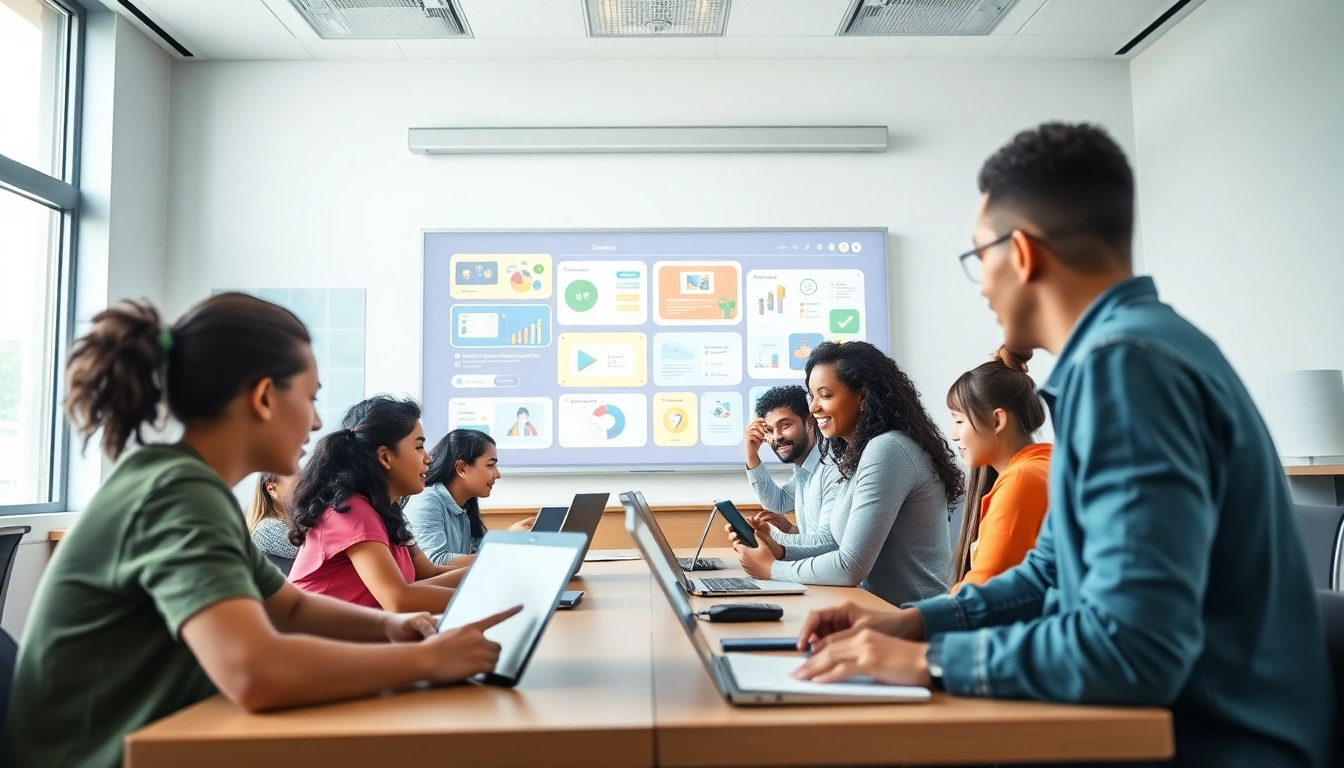
Technology has the potential to bridge some of the gaps in education equity by providing access to resources that were previously unavailable to certain demographics. Online learning platforms, educational apps, and digital resources can offer personalized learning experiences tailored to individual student needs. However, it is essential to address the digital divide that still exists, as not all students have equal access to technology and internet connectivity. Ensuring that all students can benefit from technological advancements is a critical part of achieving education equity.

Innovative Approaches to Education Reform

The future of education reform is rooted in innovative approaches that prioritize equity and inclusivity. As we look towards 2026, it is vital to explore new pedagogical models that adapt to the needs of all learners. These models should focus on collaboration, creativity, and critical thinking, preparing students for the complexities of the modern world.

New Pedagogical Models for 2026

In 2026, education must move away from traditional, one-size-fits-all teaching methods. Instead, new pedagogical models such as project-based learning, inquiry-based learning, and experiential learning are gaining traction. These methods encourage active participation and critical thinking, enabling students to learn by doing rather than passively receiving information. For instance, in project-based learning environments, students may work on real-world problems, developing skills in collaboration, communication, and problem-solving.

Success Stories from Progressive Schools

Across the globe, progressive schools are implementing innovative practices that exemplify successful education reform. Schools adopting a holistic approach to education, focusing on social-emotional learning alongside academics, have shown significant improvements in student engagement and achievement. For example, the School of One in New York City utilizes a unique model that personalizes learning based on student progress, combining traditional classroom instruction with a variety of digital learning tools. These success stories demonstrate that innovation in education can yield remarkable outcomes when equity is at the forefront.

Integrating Community Resources in Education

Community partnerships are instrumental in fostering an equitable education system. Schools that engage with local organizations, businesses, and families can create support networks that enrich the learning environment. For instance, mentorship programs that connect students with professionals in their fields of interest can provide invaluable guidance and resources. Additionally, community resources can help address non-academic barriers to learning, such as food security and mental health support, ensuring that students are ready to learn and thrive.

Strategies for Effective Curriculum Development

Creating a curriculum that reflects the diverse backgrounds and experiences of students is essential for promoting equity in education. In 2026, education stakeholders must prioritize effective curriculum development that is inclusive, relevant, and adaptable to changing societal needs.

Creating Inclusive Learning Environments

Inclusive learning environments are fundamental to fostering education equity. Schools must embrace practices that acknowledge and celebrate diversity, ensuring that every student feels valued and included. Culturally responsive teaching practices, which integrate students’ cultural references into the curriculum, can create a more engaging and meaningful learning experience. Furthermore, providing differentiated instruction that meets varying learning needs is essential for supporting all students.

Best Practices for Curriculum Innovation

Curriculum innovation should involve collaborative efforts among educators, students, and the community. Best practices include regular curriculum reviews that integrate the latest research and educational trends, as well as feedback from all stakeholders involved. Adopting interdisciplinary approaches to learning, where subjects are integrated, can also enhance engagement and relevance for students. This aligns education with real-world applications, increasing student motivation and retention.

Assessing Educational Outcomes

Effective assessment strategies are critical in gauging the success of educational programs. Moving beyond standardized testing, which often fails to reflect a student’s true capabilities and learning, schools should implement formative assessments that provide ongoing feedback. This approach allows educators to identify areas for improvement and adjust instruction accordingly. Utilizing various assessment methods, including portfolios and performance-based assessments, can also provide a more comprehensive view of student learning and development.

Empowering Educators in the Modern Classroom

At the heart of education reform are the educators themselves. Empowering teachers with the tools, resources, and support they need is crucial for driving change and achieving equity in the classroom.

Professional Development for Teachers

Ongoing professional development tailored to teachers’ needs is vital for fostering growth and innovation in education. Training programs should focus on culturally responsive teaching, technology integration, and effective classroom management strategies. By investing in teachers’ professional development, schools can equip educators with the skills and knowledge necessary to address the diverse needs of their students.

Building Supportive Networks

Creating supportive networks among educators can facilitate collaboration and sharing of best practices. Professional learning communities (PLCs) encourage teachers to work together, share resources, and provide mutual support. These networks can enhance teacher effectiveness and create a positive school culture that prioritizes student success and well-being.

Leveraging Feedback for Continuous Improvement

Feedback is essential for continuous improvement within the education system. Schools must establish mechanisms for gathering input from students, parents, and educators to evaluate programs and initiatives effectively. Regular feedback loops can drive accountability and inform decision-making processes, ensuring that educational practices align with the needs of the community and promote equity.

The Future of Education: Trends to Watch

As we look towards the future, several emerging trends are poised to shape the landscape of education in 2026 and beyond. Understanding these trends is vital for educators, policymakers, and advocates seeking to foster an equitable educational environment.

Emerging Technologies Transforming Learning

The rapid advancement of technology continues to influence the way students learn and interact with educational content. With the rise of artificial intelligence, virtual reality, and gamified learning experiences, educators have new tools at their disposal for enhancing teaching and engagement. However, it’s crucial to ensure that all students have access to these technological advancements to avoid deepening existing educational divides.

Global Perspectives on Education Reform

Education reform is a global issue, with various countries experimenting with innovative approaches to create equitable systems. For instance, Finland’s education model emphasizes collaboration over competition and prioritizes teacher autonomy, leading to high academic performance. Learning from these global perspectives can provide valuable insights into effective practices and inspire similar reforms in other contexts.

Preparing for the Unknown: Flexibility in Education

The unpredictability of the future necessitates flexibility within the education system. Schools must be prepared to adapt to changing circumstances, whether they arise from societal shifts, technological innovations, or global challenges. Building resilience into educational frameworks ensures that systems can effectively respond to disruptions while continuing to prioritize equity and student success.

Innovative Latest Education Tools Transforming Learning in 2025

The Evolution of Education Technology

The landscape of education technology has undergone significant transformations over the years, driven by the relentless advancement of technology and the shifting needs of learners and educators alike. As we move into 2025, a plethora of latest education tools are emerging, designed to enhance learning experiences and streamline educational processes. Understanding the evolution of these tools provides essential context for educators aiming to integrate them effectively into their teaching practices.

1. Historical Overview of Educational Tools

Educational tools have been a part of human learning since ancient times, evolving from simple objects like chalk and slates to complex digital platforms. The introduction of the printing press in the 15th century marked a pivotal moment, allowing educational materials to reach a broader audience. Fast forward to the late 20th century, the rise of personal computers and the internet revolutionized access to information, paving the way for today’s digital learning environments.

2. Key Trends Shaping 2025 Educational Tools

Several key trends are shaping the development of educational tools for 2025. Personalization is at the forefront, with tools designed to cater to individual learning styles and pace. Additionally, the integration of artificial intelligence (AI) allows for adaptive learning experiences, providing real-time feedback and resources tailored to student needs. Furthermore, as remote and hybrid learning models gain traction, tools that facilitate collaboration among students and teachers have become increasingly crucial.

3. The Role of AI in Modern Learning Environments

Artificial intelligence is transforming modern learning environments by automating administrative tasks, recommending resources, and enhancing user engagement. AI-driven platforms can analyze student data to identify trends and provide insights that help educators refine their teaching methods. This not only boosts student performance but also allows teachers to focus more on personalized instruction rather than administrative burdens.

Essential Features of Latest Education Tools

When evaluating the latest education tools, several essential features should be prioritized to maximize their effectiveness in the classroom.

1. User-Friendliness and Accessibility

Tools that are easy to navigate and accessible to all users, including those with disabilities, are paramount. An intuitive interface reduces the learning curve for both students and educators, allowing them to focus on educational content rather than grappling with technology. Accessibility features such as screen readers, voice recognition, and alternative text enhance the usability of educational tools across diverse populations.

2. Integration with Existing Curricula

Education technology should seamlessly integrate with existing curricula to support teachers rather than overwhelm them. Tools that align with curriculum standards and provide resources that complement what students learn in class are more likely to be adopted and effectively utilized. Examples include platforms that embed videos, quizzes, and interactive activities directly within lesson plans.

3. Customization and Personalization Options

Customization is key to meeting the varied needs of learners. The best educational tools allow teachers to tailor content to different learning levels, interests, and abilities. This can include adjustable difficulty levels, varied types of assessments, and opportunities for students to engage with content in ways that resonate with them personally.

Top Latest Education Tools to Explore in 2025

The following tools represent some of the most innovative developments in education technology for 2025, designed to enhance both teaching and learning experiences.

1. Innovative Platforms for Student Engagement

Platforms like Nearpod and Kahoot! are revolutionizing how teachers engage with students. These tools allow for interactive lessons that incorporate multimedia elements, gamification, and real-time assessments. Such engagement tools encourage active participation and can significantly enhance retention and understanding of material.

2. Assessment and Analytics Tools for Educators

Assessment tools like Formative and Google Forms are essential for educators looking to monitor student progress effectively. These platforms offer analytics capabilities that help track performance over time, allowing teachers to make informed decisions about instructional strategies and areas that require additional focus.

3. Collaboration and Communication Enhancements

Tools such as Microsoft Teams and Google Classroom have become staples in modern education, facilitating seamless communication and collaboration among students and teachers. These platforms support group projects, discussions, and document sharing, fostering a more connected learning environment, whether in-person or remote.

Challenges in Implementing Latest Education Tools

Despite the benefits of adopting new educational tools, there are significant challenges that institutions must address for successful implementation.

1. Resistance to Change in Educational Institutions

Change can be met with resistance from both educators and administrators, often due to a lack of training or fear of the unknown. Institutions that prioritize professional development and foster a culture of innovation are more likely to see successful adoption of new technologies.

2. Budget Constraints and Resource Allocation

Budget constraints often hinder the acquisition and maintenance of the latest educational tools. Schools must strategically allocate resources to prioritize technology investments that directly impact student learning outcomes, seeking funding opportunities and partnerships that can provide necessary support.

3. Ensuring Data Privacy and Security

With the growing use of technology in education comes the responsibility of protecting student data. Educational institutions must implement stringent data privacy measures to comply with regulations and ensure families feel confident in using technology for learning.

The Future of Education Tools Beyond 2025

As we look ahead, the future of education technology will likely be shaped by ongoing innovations and evolving educational needs.

1. Predictions for Educational Technology Advancements

Future advancements may include more sophisticated AI tools that can predict student needs before they arise, augmented reality experiences that enhance learning through immersive environments, and more robust platforms for global collaboration among students.

2. The Impact of Global Events on Education Trends

Global events, such as pandemics and economic shifts, will continue to influence educational technology trends. The need for flexible learning solutions that can adapt to change is now more apparent than ever, prompting the development of tools that prioritize resilience and accessibility.

3. Building a Lifelong Learning Framework

The concept of lifelong learning is gaining traction, encouraging the development of tools that support continuous education beyond traditional academic settings. Educational technology that facilitates skill acquisition, professional development, and personal growth will become increasingly important in an ever-changing job market.

Innovative Approaches to Enhance Education for Every Learner

Understanding the Principles of Education

Definition and Importance of Education

Education is a multi-faceted term that encompasses the transmission of knowledge, skills, and values through various forms of learning, both formal and informal. It serves as the cornerstone of personal development and societal progress, shaping individuals’ abilities to think critically, adapt to change, and participate actively in their communities. The importance of education can be underscored by its fundamental role in enabling individuals to understand their environment, make informed decisions, and pursue lifelong learning opportunities. In a world where information is abundant yet varied in reliability, the skill to analyze and apply knowledge has never been more critical. More than just the acquisition of facts, Education plays a pivotal role in personality development and character formation, contributing to the overall fabric of society.

Education’s Role in Personal Development

Personal development is a lifelong process of self-improvement in various dimensions, including emotional, social, physical, and intellectual aspects. Education acts as a catalyst for personal growth by fostering self-awareness, self-esteem, and emotional intelligence. Through educational experiences, individuals are exposed to diverse perspectives that encourage them to question their beliefs, challenging preconceived notions and broadening their understanding of the world. Engaging in educational environments, whether through schools, workshops, or informal learning experiences, nurtures essential soft skills such as communication, teamwork, and problem-solving abilities. Ultimately, education enhances individuals’ capacity for self-reflection and personal transformation, allowing them to navigate life’s complexities with confidence and resilience.

Educational Frameworks and Their Impact

Educational frameworks provide structured methodologies that shape teaching and learning processes. These frameworks, which include The Montessori Method, Project-Based Learning, and the International Baccalaureate, have unique philosophies and goals but share a common aim: to prepare students not just for academic success but for active citizenship in a global society. Each of these pedagogical approaches contributes to education’s impact in distinct ways, such as fostering creativity, critical thinking, and real-world problem-solving skills. For instance, the Montessori Method emphasizes child-centered education that promotes independence and personalized learning experiences. Likewise, Project-Based Learning encourages students to engage in multidisciplinary projects that require collaboration and practical application of their knowledge. Understanding and implementing various educational frameworks can significantly influence student engagement, motivation, and learning outcomes.

Innovative Teaching Strategies in Education

Active Learning Techniques

Active learning techniques are instructional approaches that engage students in the learning process actively rather than passively receiving information. Methods such as group discussions, peer teaching, simulations, and problem-solving activities enable students to apply concepts in real-time, facilitating a deeper understanding of the material. For instance, educators can implement role-playing scenarios in a history class to allow students to experience past events, enhancing emotional engagement and retention of information. Furthermore, incorporating project-based tasks encourages collaborative learning, where students can learn from one another’s perspectives, encouraging critical thinking and teamwork. Research has shown that active learning strategies can significantly improve students’ academic performance and motivation, making them indispensable in modern educational settings.

Utilizing Technology for Learning

The integration of technology in education revolutionizes traditional teaching methodologies by providing new tools and platforms for enhanced learning experiences. Tools such as learning management systems, online resources, and educational software enable personalized learning and greater accessibility to a wide range of materials. For example, educational platforms like MOOCs provide high-quality courses from top universities, making knowledge accessible to anyone with an internet connection. Moreover, adaptive learning technologies can tailor educational content to meet individual student needs and pace, fostering an environment where learners can thrive regardless of their prior knowledge or experience. Utilizing technology not only makes learning more engaging but also prepares students for a technology-driven workforce.

Collaborative Learning Environments

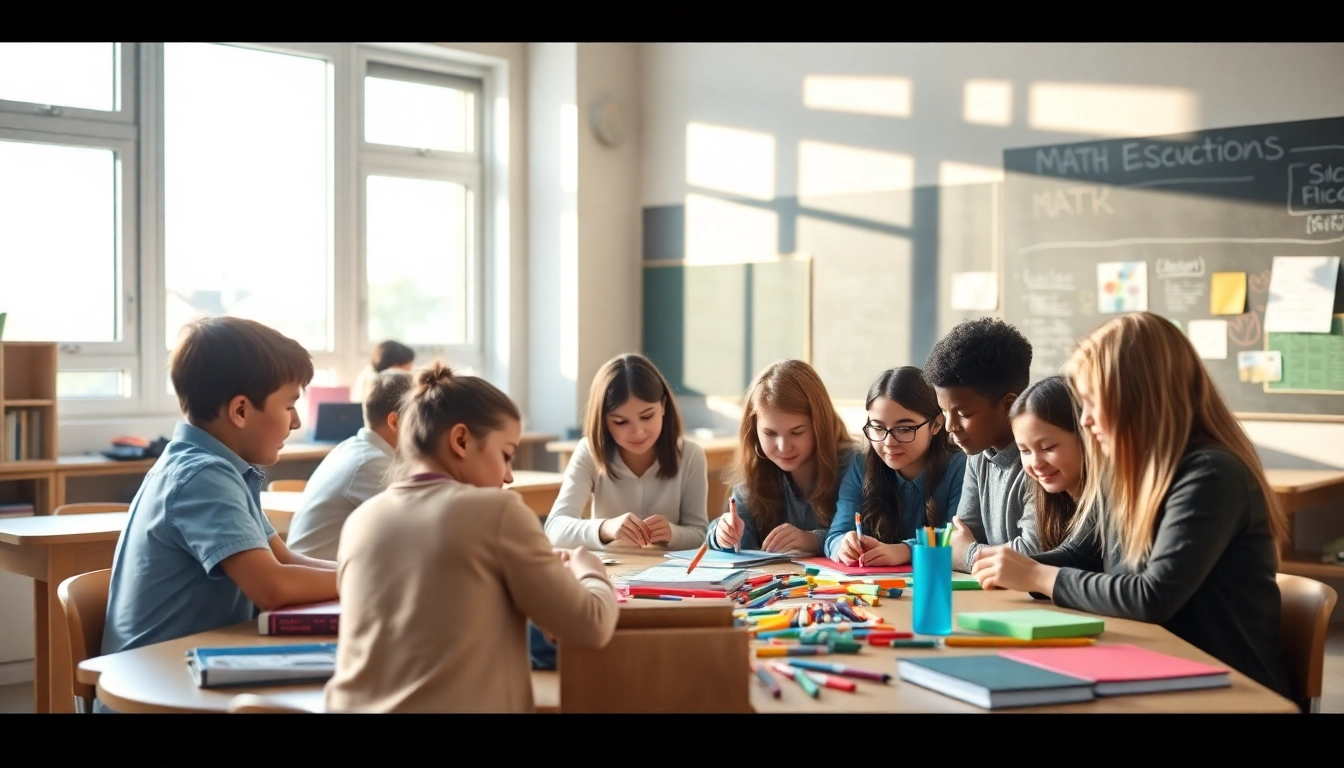
Collaborative learning environments foster interactions among students, enabling them to learn from each other’s experiences and knowledge. This approach emphasizes group work where learners actively participate, share ideas, and tackle challenges collectively. By engaging in discussions and group problem-solving, students develop critical thinking and interpersonal skills essential in today’s workforce. Techniques such as think-pair-share, jigsaw, and group projects encourage collaboration, leading to enhanced engagement and active participation in the learning process. Collaborative learning also supports diverse learning styles, allowing students to take ownership of their education and learn from various viewpoints. By creating a supportive and inclusive climate, educators can cultivate a culture of collaboration, ultimately resulting in improved learning outcomes.

Challenges in Modern Education

Addressing Inequalities in Education

Educational inequalities remain a significant challenge, affecting students from various socio-economic backgrounds, races, and abilities. Factors such as inadequate school funding, lack of access to resources, and varying quality of instruction contribute to these disparities. To address inequalities, policymakers and educators must prioritize equitable access to high-quality education by implementing targeted interventions. Programs that provide additional resources, tutoring, and support for underserved populations can help level the playing field. Further, fostering an inclusive educational environment that values diversity and promotes cultural sensitivity can enhance student engagement and performance. Addressing these challenges requires a collective effort from educators, communities, and governments to create systemic change in education.

Engagement Issues Among Students

Student engagement is crucial for effective learning, yet many educators face challenges in maintaining interest among learners. Factors contributing to disengagement may include an overemphasis on standardized testing, a lack of relevant content, or insufficient opportunities for active participation. To combat these challenges, educators can employ strategies that emphasize relevance and connection to students’ lives, allowing them to see the value in their education. Incorporating student interests, current events, and real-world applications into the curriculum can spark curiosity and engagement. Additionally, fostering a positive classroom environment that supports risk-taking and initiative can empower students to take an active role in their education, leading to improved outcomes.

Resource Limitations and Solutions

Resource limitations in educational institutions can significantly affect the quality of education provided to students. Budget constraints, a lack of teaching materials, and insufficient technological resources often hinder effective teaching and learning dynamics. Solution-oriented approaches can include establishing partnerships with local businesses and community organizations to secure additional resources. Furthermore, integrating grant applications and fundraising efforts can provide funding for innovative programs and technologies that enhance learning experiences. Prioritizing teacher professional development equips educators with the knowledge to utilize available resources effectively and explore new instructional methodologies that require minimal investment, ensuring a high-impact learning environment.

Global Perspectives on Education

Comparative Education Systems

Understanding different educational systems around the world provides valuable insights into various teaching methods and practices. Comparative education studies examine how different countries address educational goals and challenges, offering lessons that can inform practices at home. For instance, countries such as Finland emphasize student well-being and teacher autonomy, resulting in high student performance and satisfaction. Conversely, nations that adopt a more rigid approach to education may face challenges in student engagement and creativity. By analyzing these diverse educational models, policymakers and educators can draw inspiration to innovate and improve their approaches to education, ultimately leading to enhanced outcomes for students.

Education Policies Across Different Cultures

Education policies vary widely across cultures, reflecting societal values and priorities. In some cultures, emphasis is placed on rote memorization and academic achievement, while others may prioritize holistic approaches that foster creativity and critical thinking. Understanding these differences is essential for fostering a global perspective in education, allowing countries to learn from one another’s successes and challenges. For example, inclusive education policies that prioritize access for all students, regardless of ability or background, have proven effective in many countries. By adapting successful strategies from different cultures, educators can craft flexible policies that respond to their unique contexts and needs, enhancing the quality of education for all learners.

Success Stories from Around the World

Across the globe, numerous success stories illustrate the effectiveness of innovative educational practices and policies. Countries that have embraced experiential learning, personalized education, and inclusive practices serve as models for others seeking to improve their educational systems. For example, Bhutan’s education system focuses on Gross National Happiness, integrating well-being into the curriculum while promoting environmental stewardship and cultural preservation. Similarly, Singapore’s rigorous educational approach emphasizes collaboration and continuous improvement, leading to consistent top rankings in global assessments. Showcasing these success stories can inspire other nations to adapt and implement effective strategies that promote student success and holistic development.

The Future of Education

Trends Shaping Tomorrow’s Education

The future of education is being shaped by a multitude of transformative trends that leverage technology, pedagogy, and policy innovations to enhance learning experiences. The rise of online learning platforms reflects the growing demand for flexibility and accessibility in education. Additionally, increasing recognition of social-emotional learning highlights the importance of addressing students’ mental well-being. Moreover, lifelong learning initiatives underscore the need for ongoing skill development to adapt to rapidly changing job markets. These trends signify a paradigm shift toward personalized, flexible, and inclusive educational experiences that cater to the diverse needs of students.

Preparing Students for a Global Economy

As the world becomes increasingly interconnected, education must prepare students for participation in a global economy. Skills such as cross-cultural communication, teamwork, and adaptability are essential for future success. Educators can equip students with these competencies by integrating global perspectives into the curriculum and promoting collaborations with peers across different backgrounds. Engagement in international projects, exchange programs, and multicultural activities can foster understanding and tolerance among learners. Moreover, introducing students to emerging technologies, critical thinking exercises, and problem-solving tasks prepares them to navigate the complexities of a modern workforce effectively.

Role of Lifelong Learning in Education

Lifelong learning is an essential component of modern education that extends beyond traditional classroom experiences. With the rapid pace of change in technology and job markets, individuals must continually seek new knowledge and skills to remain relevant. Educational institutions play a crucial role in promoting a culture of lifelong learning, encouraging students to pursue professional development, online courses, and self-directed study. Additionally, organizations can foster a learning environment that values continuous improvement, offering training and resources to help employees adapt to evolving demands. By emphasizing the importance of lifelong learning, education equips individuals with the tools necessary for ongoing personal and professional growth.