

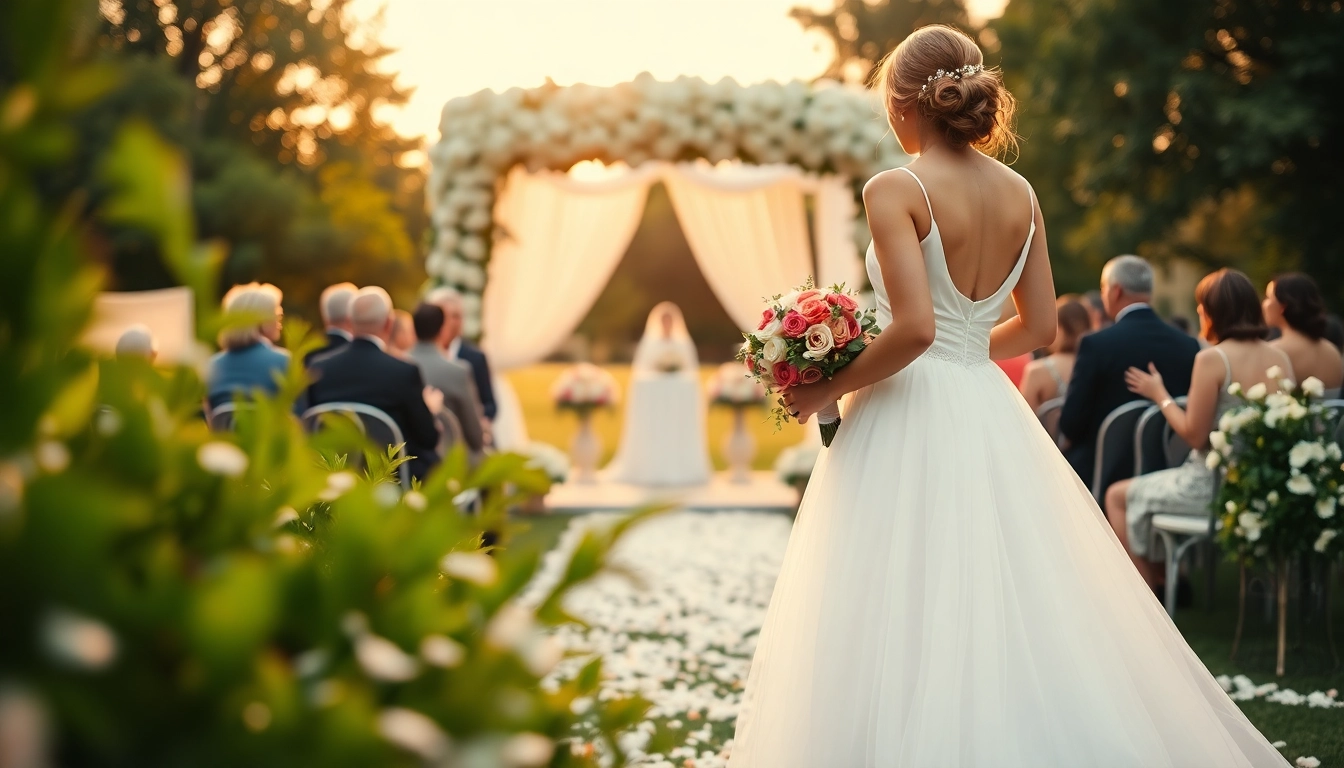

Embrace Timeless Moments with Stunning Wedding Photography
The Art of Wedding Photography
Wedding photography is an intricate blend of artistry, technical skill, and an understanding of both people and moments. It is the visual diary that captures the intimacy, beauty, and passion of one of life’s most significant events. This art form goes beyond merely taking pictures; it immortalizes emotions, relationships, and memories that couples will cherish forever. If you are in search of tips and insights into this captivating field, you have come to the right place. Explore expert knowledge on Wedding photography, from selecting the right photographer to post-production techniques.
Understanding Wedding Photography Basics
To appreciate the nuances of wedding photography, it is critical to understand its fundamental components. A successful wedding photographer must master various aspects such as lighting, composition, and storytelling. They need to know how to blend into the background to catch candid moments while also taking charge during posed shots, ensuring that every precious moment is captured seamlessly.
Choosing the Right Photographer
The process of selecting a wedding photographer involves careful consideration. Couples should look for a photographer whose style resonates with their vision of the day. Here are steps to ensure you choose the right fit:
- Research: Study portfolios to evaluate the photographer’s consistency and signature style.
- Reviews: Check testimonials and reviews from previous clients to gauge quality and professionalism.
- Meet in Person: Arrange a discussion to understand their approach, personality, and availability.
- Package Options: Compare packages, including shooting time, number of images, and additional services like albums or prints.
Essential Equipment for Capturing Love
Wedding photographers rely on a variety of equipment to ensure high-quality results. Here’s a look at essential items every wedding photographer should have:
- Cameras: Full-frame DSLRs or mirrorless cameras are popular due to their image quality and performance.
- Lenses: A selection of lenses (wide angles for group shots, and telephoto for candid moments) is crucial.
- Lighting Equipment: Flash units and reflectors help manage challenging lighting conditions.
- Backup Gear: Always have backup cameras, lenses, batteries, and memory cards on hand to avoid any mishaps.
Types of Wedding Photography
Traditional Wedding Photography Styles
Traditional wedding photography typically includes formal portraits and staged setups. Couples should be aware that this style focuses on capturing significant moments like the ceremony, first kiss, and cake cutting. Key characteristics include:
- Posed Shots: Family and friends are arranged for formal photographs, ensuring everyone is included.
- Timely Shots: The photographer works closely with the wedding planner to capture specific moments as they occur.
Candid and Documentary Photography
Candid photography takes a more unobtrusive approach, capturing events as they unfold naturally. This style is favored by couples who wish to preserve genuine emotions throughout their wedding day.
- Storytelling: This approach presents a narrative through images, showcasing real interactions and unposed moments.
- Emotional Depth: By focusing on spontaneous moments, this style encapsulates the true spirit and atmosphere of the event.
Modern Approaches in Wedding Photography
Modern wedding photography often incorporates elements of fashion photography and fine art. Photographers may also experiment with unique angles and perspectives, using creative techniques like:
- Shooting in Different Environments: Utilizing urban settings or lush nature zones can create eye-catching backdrops.
- Alternative Editing Styles: Unique post-processing techniques like double exposure or moody tones add distinct personality to wedding images.
Preparing for Your Wedding Photography Session
Creating a Shot List for Your Big Day
Developing a shot list is a critical step in the preparation process. It provides the photographer with clear guidance on the must-have shots:
- Key Individuals: Determine who should be included in formal portraits along with special moments to capture.
- Significant Details: Specify any special items such as heirloom pieces, decor, or personal mementos that should be photographed.
Best Times and Locations for Wedding Photography
The timing and location can significantly affect the quality of wedding photographs. The golden hour, just before sunset, offers soft, flattering light, ideal for stunning portraits. Popular locations may include:
- Outdoor Gardens: Scenic backdrops enhance the beauty of any couple’s special day.
- Urban Landscapes: Cityscapes provide a modern vibe, perfect for contemporary photography styles.
- Iconic Landmarks: Locations that are significant to the couple can create a unique connection in photos.
Incorporating Personal Elements into Shoots
Infusing personal elements into wedding photography can elevate storytelling. Couples should think about:
- Themes and Colors: Choosing a color palette and theme that reflects your personality enhances cohesion.
- Bespoke Props: Personal artifacts that signify your journey together can provide context and layers to your images.
Post-Production and Editing Techniques
Choosing the Right Editing Style
Post-production is where the magic continues. The editing style can shape the final narrative and feel of the wedding album. Considerations include:
- Color Grading: Adjusting tones to create mood—vintage, soft, or vibrant effects can be utilized.
- Retouching: Subtle enhancements can elevate portraits while preserving natural joy.
Tips for Enhancing Wedding Photos
Enhancements can improve image quality exponentially. Some techniques include:
- Noise Reduction: Reducing graininess for clearer images, especially in low light.
- Sharpening: Ensuring key focal points are razor-sharp enhances the overall impact of the images.
- Consistent Style: All photos should flow cohesively, creating harmony across the entire wedding album.
Creating an Unforgettable Wedding Album
Once the images have been edited, they should be meticulously compiled into a wedding album. Considerations for designing an unforgettable album include:
- Story Progression: Arrange images in the order of events to narrate the day chronologically.
- Balance: Ensure a mix of solo shots, group photos, and candid moments throughout the album for variety.
- Quality Materials: Opt for high-quality printing and binding materials to preserve memories beautifully.
Common Questions about Wedding Photography
How Much Should I Budget for Wedding Photography?
The budget for wedding photography often varies based on experience, location, and package options. Generally, allocate 10-15% of your overall wedding budget for this service.
What is the Best Time for Wedding Photos?
The best time for wedding photos is during the golden hour, just before sunset, as it provides the most flattering lighting conditions for outdoor photography.
How Can I Ensure Great Wedding Photography Results?
To ensure great results, communicate openly with your photographer about your vision, share your shot list, and discuss the timeline for the day’s events.
What Should I Wear for My Engagement Shoot?
Wear outfits that reflect your style and comfort. Coordinated but not matching outfits often yield the best results and help create a harmonious look in photos.
Can I Include My Pets in Wedding Photos?
Yes! Including pets can add a personal touch to your wedding photos. Ensure someone is designated to handle them during the event for smooth inclusion in candid moments.