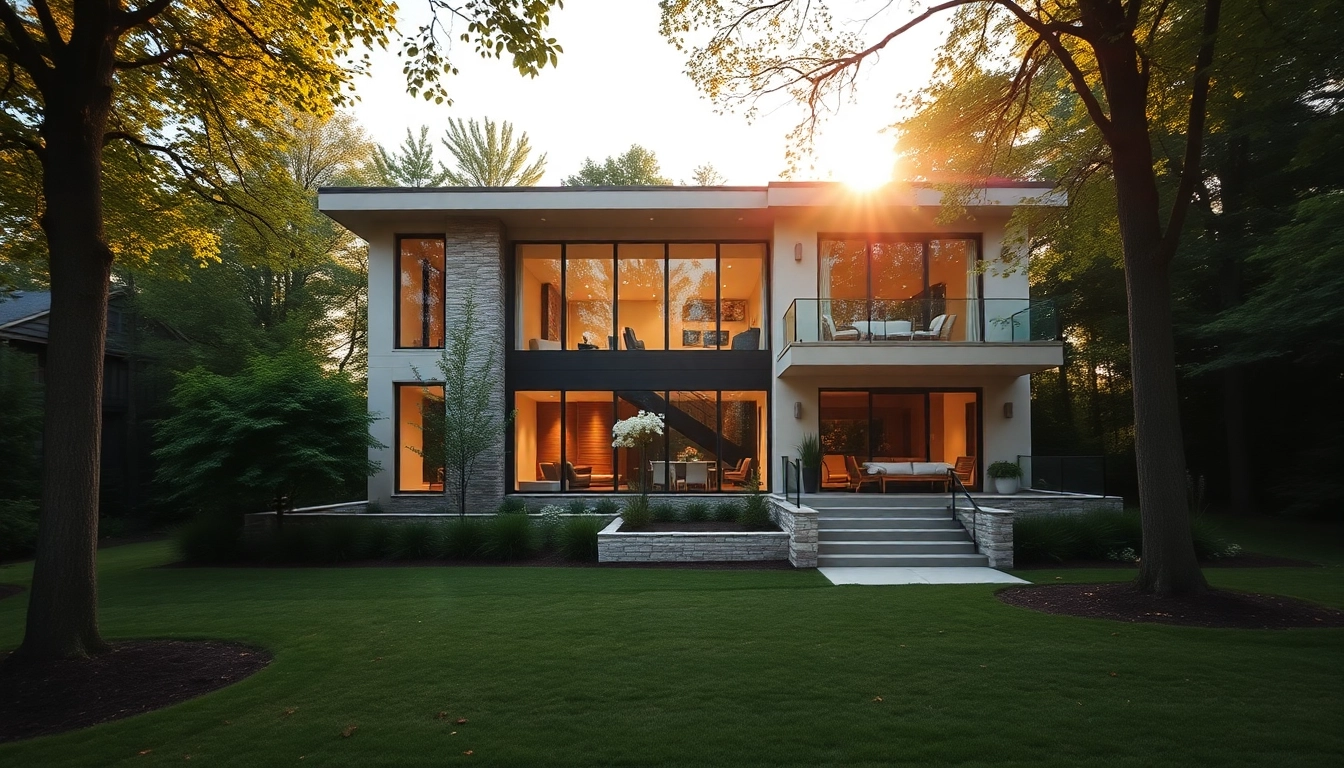


Achieving Seamless Living: Embrace Comfort and Style for Your Home
Understanding Seamless Living
The Concept of Seamless Living
In a world brimming with distractions and chaos, the notion of Seamless Living emerges as a sanctuary. It embodies the idea of a harmonious living space where each element, whether visual, auditory, or functional, intermingles fluidly to promote effortless comfort. Seamless Living is less about the spatial arrangements and more about the experiences created within. It prioritizes a lifestyle that encourages fluidity and ease, combining aesthetics with functionality to cultivate a nurturing home environment.
Benefits of a Seamless Living Environment
Adopting the principles of Seamless Living offers a myriad of benefits that extend beyond mere aesthetics. These benefits can transform your daily routine, improve your emotional health, and foster stronger connections within a household. Here are some notable advantages:
- Enhanced Comfort: A well-designed seamless space feels like a personal retreat, where comfort reigns supreme.
- Increased Functionality: Efficient use of space leads to rooms that serve multiple purposes, reducing clutter and maximizing convenience.
- Improved Mental Well-being: A cohesive environment can alleviate stress and inspire creativity, positively affecting one’s mood.
- Energy Savings: Thoughtful design capitalizes on natural light and energy-efficient solutions, resulting in lower utility bills.
Key Elements of Seamless Living
To truly grasp the concept of Seamless Living, one must delve into its foundational elements. Emphasizing unity and coherence, these key elements work together to define an ideal seamless environment:
- Open Spaces: An open floor plan encourages movement and interaction between spaces, breaking down barriers that often isolate individuals.
- Natural Light: Allowing abundant natural light to flood a home creates a warm ambiance and diminishes reliance on artificial lighting.
- Multifunctional Furniture: Furniture that serves multiple purposes invites adaptability and enhances utility without overwhelming the living space.
- Warm Textures: Utilizing natural materials like wood, stone, and textiles brings warmth to a space, fostering a cozy atmosphere.
Designing for Seamless Living
Choosing Open Floor Plans
One of the quintessential features of a seamless living environment is the adoption of open floor plans. These layouts break the traditional compartmentalization of rooms, promoting interaction among family members and guests. By merging spaces like the kitchen, dining area, and living room, one can cultivate a sense of connectivity that is often absent in siloed designs.
When planning an open space, think about the home’s flow. Arrange furniture in a way that invites conversation and engagement. Use rugs to delineate areas while maintaining the openness. Accent décor can provide visual interest without creating physical barriers. Ultimately, an open floor plan should maintain flexibility, allowing for various activities and traffic patterns.
Incorporating Natural Light
Natural light plays an invigorating role in Seamless Living. It not only enhances the aesthetic appeal of your living environment but also significantly influences mood and well-being. Large windows, skylights, and glass doors are ideal for allowing sunlight to permeate your home.
Incorporating reflective surfaces can amplify natural light, making spaces feel larger and airier. Consider the plight of drapes; lightweight fabrics in lighter colors can diffuse sunlight pleasantly while still providing privacy. Moreover, using mirrors strategically can expand visual space and brighten corners, making your home feel more open and welcoming.
Creating Functional Spaces
Functionality is at the heart of Seamless Living. This entails designing spaces that are not only beautiful but also serve practical purposes. Consider the unique requirements of your lifestyle when creating spaces. Multi-generational living arrangements, work-from-home setups, or spaces for children should be thoughtfully integrated.
Utilizing multifunctional furniture, such as a sofa bed or extendable dining table, ensures that spaces cater to multiple needs throughout the day. Additionally, consider built-in storage solutions that keep essentials accessible while maintaining an uncluttered look. The goal is to create an environment conducive to everyday life while seamlessly blending design with utility.
Materials and Aesthetics
Finding the Right Furnishings
The selection of furnishings directly influences the overall vibe of your home. In Seamless Living, it’s essential to choose pieces that balance style and comfort. Opt for furnishings made from natural materials such as wood, linen, and cotton that resonate with warmth and authenticity.
Consider the scale of furnishings in relation to the space. Oversized sofas may dominate a smaller area, creating a sense of confinement, while appropriately scaled pieces can enhance flow. Strive for a mix of textures and shapes to foster visual interest and invite emotional engagement, ensuring that each piece serves a purpose within the broader design narrative.
Selecting Color Palettes for Comfort
The right color palette can significantly influence mood and perception in a home. Soft, muted tones like pastels or earth shades create a serene atmosphere while vibrant hues can energize a space. Selections should align with the desired emotional response and the activities that take place within those walls.
When designing a seamless living space, consider a monochromatic scheme with varying shades for depth or a complementary palette that adds balance. Also, remember to integrate accent colors through décor or artwork, which can offer dynamism without overwhelming the senses.
Textiles that Enhance Seamless Living
Textiles significantly contribute to the tactile experience of a living space. Incorporating various fabrics through cushions, throws, and rugs can enhance comfort while reinforcing the aesthetic theme. Layering textiles not only adds softness but also creates visual appeal.
Invest in high-quality textiles that can withstand wear and tear while maintaining their beauty. Look for options that are easy to clean and maintain, ensuring longevity. Natural textiles such as wool and cotton are excellent choices. Additionally, don’t shy away from mixing patterns; contrast can add vibrancy and uniqueness to your seamless environment.
Emotional Impact and Wellbeing
How Environment Affects Mood
Psychological studies suggest that our environment profoundly impacts our mood and productivity. Spaces that are cluttered or poorly lit can lead to stress and decreased motivation. Conversely, a thoughtfully designed seamless living space can boost creativity and support relaxation.
Incorporate calming elements such as greenery, aromatherapy, and artwork that resonates personally to foster positive emotional responses. Understand how different areas in your home serve varying emotions—reading corners for relaxation, dining spaces for connection, and work areas for focus. Design each to serve its purpose, creating a delicate balance in emotional well-being.
Integrating Natural Elements
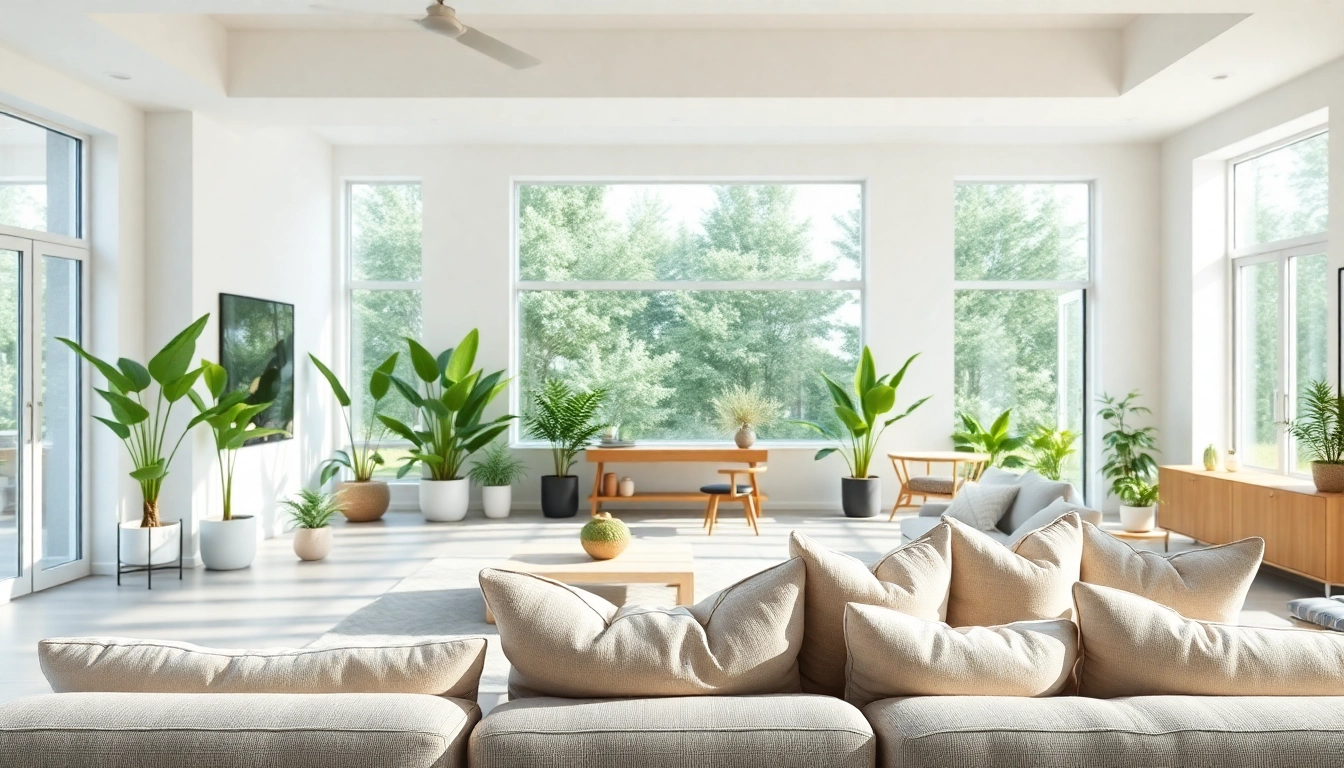
Bringing nature indoors is pivotal in promoting wellness in Seamless Living. Biophilic design principles advocate for incorporating natural elements through plants, natural light, and organic materials. Plants, for instance, not only beautify a space but also improve air quality and provide a sense of tranquility.
Positioning plants where they receive adequate sunlight can make them thrive, while incorporating natural wood accents or stone features can create warmth. Use nature-inspired colors and patterns to enhance this connection; even artwork featuring natural scenes can deliver a soothing touch. These steps promote harmony, balance, and calmness within the cosmos of your home.
The Role of Minimalism in Seamless Living
Minimalism involves stripping away the non-essential to make room for what truly matters. Adopting minimalist principles can lead to a more seamless lifestyle by decluttering emotionally and physically. In a space defined by simplicity, every element is curated purposely.
This involves evaluating possessions and considering emotional attachment versus actual utility. By prioritizing quality over quantity, you invite serenity into your living area. Minimalism fosters mindfulness; it requires deliberate choices about design, leading to a more intentional way of living.
Maintaining Your Seamless Living Space
Tips for Regular Cleaning and Organization
The idea of Seamless Living extends beyond design; it emphasizes ease of maintenance to preserve that tranquil environment. Create a cleaning schedule that highlights daily, weekly, and monthly tasks to prevent overwhelming backlogs.
Incorporate organization systems such as labeled storage bins or designated places for frequently used items. Let go of items that no longer serve a purpose to maintain a clutter-free space. Regularly purging unnecessary items will keep your environment light, inviting, and reflective of your well-curated lifestyle.
Seasonal Decor Adjustments
Adjusting décor seasonally can refresh the energy and aesthetic of your home, enhancing the principles of Seamless Living. During warmer months, consider lighter fabrics and bright colors to evoke a sense of freshness. Meanwhile, winter might call for deeper tones and cozy textiles.
Integrate seasonal accessories like wreaths or table centerpieces that reflect the time of year while keeping larger elements consistent. Changing smaller accessories requires minimal effort and creates excitement without overhauling your primary design scheme, ensuring your home resonates with the current season.
Sustainable Practices for Long-Term Enjoyment
As we strive towards Seamless Living, it’s crucial to consider sustainability. Opt for eco-friendly materials that align with your commitment to environmental responsibility. Recycled or responsibly sourced materials can enhance aesthetics while reducing environmental footprints.
Further, consider energy-efficient appliances and smart home technologies that reduce energy consumption. Integrating indoor plants not only beautifies but also purifies the air. Small sustainable actions, such as reducing waste and conscious consumption, accumulate over time, leading to lasting enjoyment.
FAQs about Seamless Living
What is Seamless Living?
Seamless Living refers to a harmonious and efficient home environment where design, functionality, and comfort are integrated effortlessly.
How can I achieve Seamless Living?
To achieve Seamless Living, focus on an open floor plan, allow for natural light, and utilize multifunctional furniture for flexibility.
What materials are best for Seamless Living?
Opt for light, natural materials such as wood and linen that promote a calm atmosphere and enhance the home’s aesthetic.
How does color affect Seamless Living?
Colors influence mood; softer tones create tranquility, while vibrant hues can energize the space. Choose wisely!
What are sustainable practices for my living space?
Incorporate energy-efficient appliances, maintain indoor plants, and choose recycled or eco-friendly materials to enhance sustainability.