
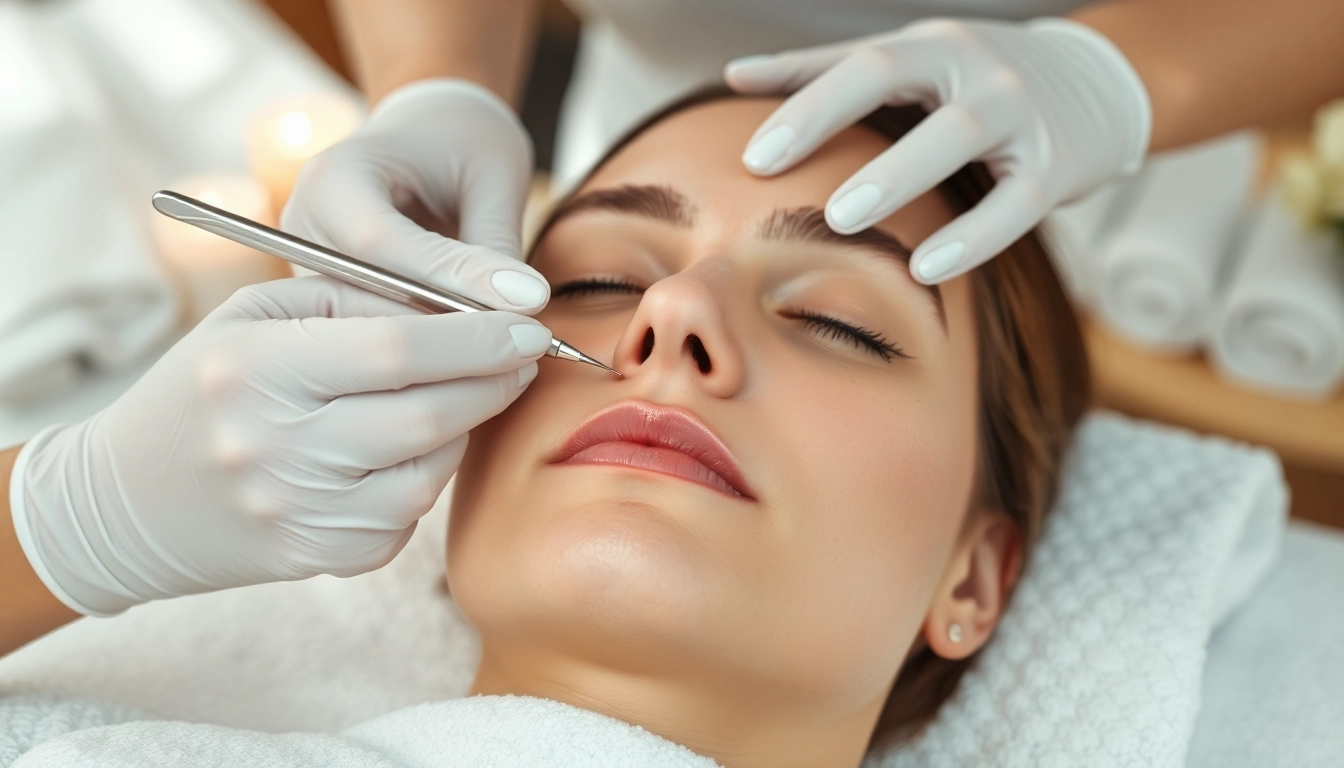
Understanding the Dermaplane Facial
What is Dermaplane Facial?
The Dermaplane Facial is a rejuvenating skin treatment that combines exfoliation with the removal of fine vellus hair, often referred to as “peach fuzz.” By using a sterile surgical scalpel, a trained professional delicately scrapes away the top layer of dead skin cells, resulting in a smoother complexion. This technique not only enhances the skin’s aesthetics but also promotes better absorption of skincare products. The treatment is suitable for various skin types and is regarded as safe when performed by a qualified practitioner. If you want to discover more about how this treatment can benefit you, consider exploring Dermaplane Facial.
How Does Dermaplane Facial Work?
During a Dermaplane Facial, the session typically begins with a thorough cleansing of the face to remove any makeup and impurities. Following this, a trained professional gently glides the blade across the skin at a 45-degree angle. This technique effectively removes dead skin cells and unwanted hair. The procedure feels like a light scraping and is generally painless. Post-treatment, a calming mask or moisturizer is often applied to soothe the skin, which may be slightly red but generally recovers quickly. The entire process lasts about 30 to 60 minutes, and most clients notice immediate results.
Who Can Benefit from Dermaplane Facial?
Anyone seeking a smoother, brighter complexion can benefit from a Dermaplane Facial. It’s especially effective for individuals with:
- Dull or uneven skin texture
- Fine lines and minor acne scars
- Dry skin conditions
- Excess facial hair that may cause a rough appearance
Moreover, this treatment is safe for all skin types, including sensitive skin, making it an excellent option for a broad audience.
Key Benefits of Dermaplane Facial
Exfoliation and Skin Renewal
One of the primary benefits of a Dermaplane Facial is its ability to exfoliate the skin, removing dead skin cells that hinder cellular turnover. This process leads to brighter, healthier skin and can significantly reduce the appearance of hyperpigmentation. Regular sessions can enhance skin renewal, making it an ideal addition to anyone’s skincare routine.
Smoother Skin Texture
As dermaplaning removes the top layer of dead skin and unwanted hair, the result is an instantly smoother texture. This effect aids in minimizing the appearance of fine lines and wrinkles, contributing to an overall youthful look. Clients frequently report softer and more radiant skin after just one appointment.
Enhancing Product Absorption
By eliminating barriers such as dead skin and fine hair, dermaplaning enhances the absorption of serums and moisturizers applied post-treatment. This improved absorption can lead to more effective skincare results, allowing active ingredients to penetrate deeper into the skin.
Preparing for Your Dermaplane Facial
What to Expect Before the Session
Before your Dermaplane Facial, it’s essential to consult with your skincare specialist to evaluate your skin type and determine any specific needs. They may advise you to avoid certain products such as retinoids and exfoliants for a few days leading up to the treatment. Arriving with clean, freshly washed skin will also ensure optimal results.
Post-Treatment Care
After your Dermaplane Facial, your skin may be temporarily sensitive and red. To care for your skin post-treatment, it’s crucial to:
- Use gentle, hydrating products to soothe the skin.
- Avoid sun exposure and ensure to apply a broad-spectrum sunscreen.
- Refrain from using harsh exfoliants for at least a week.
These steps will help maintain the results and protect your newly rejuvenated skin.
Identifying Qualified Professionals
Choosing a qualified professional for your Dermaplane Facial is critical to ensure safety and effectiveness. Look for licensed estheticians or dermatologists with experience in performing dermaplaning. Checking reviews and asking for before-and-after photos can also help you gauge their expertise.
Common Myths about Dermaplane Facial
Addressing Misconceptions
Despite the growing popularity of Dermaplane Facials, several misconceptions persist, such as the belief that dermaplaning can cause unwanted hair to grow back thicker or coarser. In reality, dermaplaning only removes the fine vellus hair, which does not change in texture or color post-treatment.
The Reality of Safety
Another common myth is that dermaplaning is unsafe for all skin types. When performed by a qualified professional, the procedure is entirely safe and can be tailored to suit individual skin conditions, including sensitive skin. The sterile tools and careful technique used mitigate the risks associated with the treatment.
Dermaplane Facial vs. Other Treatments
While dermaplaning is often compared to other exfoliation methods like microdermabrasion or chemical peels, it stands apart in its non-invasive nature and immediate results. Unlike chemical peels, dermaplaning doesn’t involve the use of acids, making it a gentler option that yields instant smoothness.
Frequently Asked Questions
What Does Dermaplane Facial Do for Your Skin?
It exfoliates the skin, removes dead cells and fine hair, and stimulates skin cell turnover, improving overall complexion.
Is There Any Downtime After Dermaplane Facial?
There is minimal downtime; most people can return to their daily routine immediately, but slight redness may occur.
How Often Should You Get a Dermaplane Facial?
It is generally recommended every 4 to 6 weeks, depending on individual skin type and needs.
Can Dermaplane Facial Help with Acne Scarring?
Yes, it can improve the appearance of mild acne scars by promoting skin renewal and reducing texture irregularities.
What Products Should I Use After a Dermaplane Facial?
Hydrating products, such as serums and moisturizers, are recommended post-treatment to soothe and nourish the skin.


