
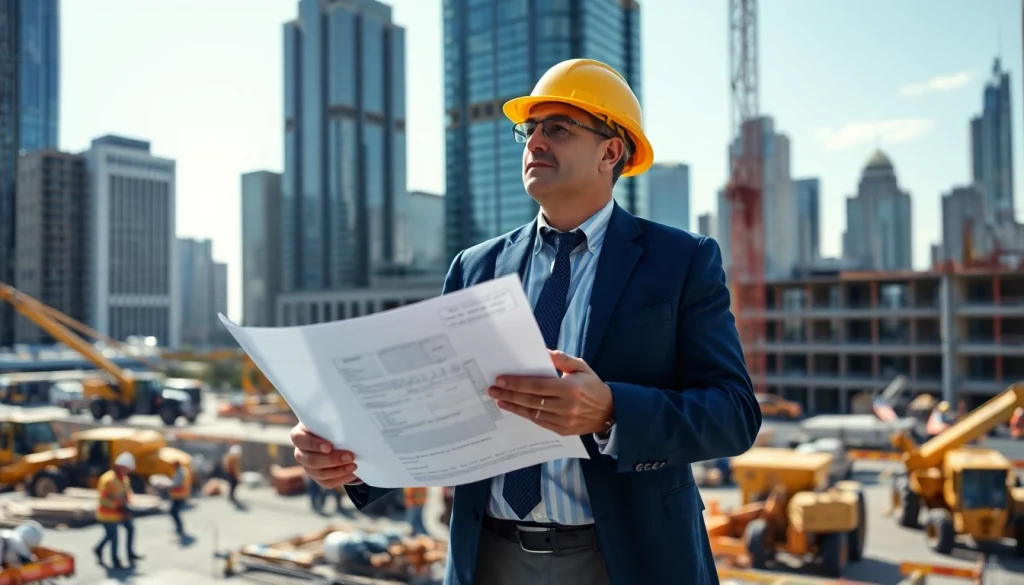
Understanding the Role of a Manhattan Construction Manager
The role of a Manhattan Construction Manager extends far beyond mere oversight of construction sites. Nestled at the intersection of planning, execution, and leadership, these professionals are pivotal in ensuring projects are delivered efficiently, on budget, and to quality standards. As urban development in Manhattan continues to evolve, the demand for skilled Manhattan Construction Manager increases dramatically. This article delves deep into the responsibilities, challenges, and best practices that define this essential role.
Essential Responsibilities and Skills
At the heart of the Manhattan Construction Manager’s role lies a variety of responsibilities that demand both technical proficiency and soft skills. Key responsibilities include:
- Project Planning and Scheduling: Construction Managers are responsible for developing comprehensive project schedules that map out the construction timeline, including phases, deadlines, and milestones. This requires an understanding of construction methodologies and the ability to anticipate potential delays.
- Budget Management: A vital aspect of the role involves overseeing project budgets, ensuring that expenditures align with financial forecasts. This includes monitoring costs related to labor, materials, and contingencies.
- Team Leadership: The Construction Manager leads a diverse team, including contractors, architects, and engineers. This leadership role requires strong interpersonal skills to communicate effectively and motivate teams.
- Quality Control: Ensuring that construction work meets specified standards is paramount. This involves regular site inspections and adherence to safety regulations.
- Client Engagement: Construction Managers often serve as the primary point of contact for clients, responsible for providing them with project updates and addressing concerns.
Key Challenges Faced in Manhattan
Operating in a densely populated urban landscape such as Manhattan presents unique challenges for construction managers:
- Regulatory Compliance: Navigating through the numerous zoning laws, building codes, and regulatory requirements can be daunting. Construction Managers must remain updated on these matters to avoid costly fines or project delays.
- Logistics and Transportation: With limited space for material delivery and waste disposal, ensuring timely logistics management is a significant challenge that requires strategic planning.
- Community Engagement: Construction projects can be disruptive to local communities. Effectively addressing public concerns and maintaining positive community relations is part of the managerial responsibilities.
- Labor Shortages: The construction industry is frequently faced with labor shortages, which necessitates creative workforce management and planning.
Importance of Communication in Project Success
Communication serves as the backbone of successful construction project management. A Manhattan Construction Manager must establish clear channels of communication among all stakeholders, including subcontractors, clients, and regulatory agencies. Regular meetings, detailed documentation, and transparent reporting create an environment where project details are shared openly, allowing for timely decision-making and problem resolution. Ultimately, strong communication leads to enhanced teamwork, fewer misunderstandings, and a smoother construction process.
Best Practices for Project Management
The dynamic nature of construction projects necessitates a strategy centered around best practices to assure success. Here are some pivotal approaches:
Effective Planning Techniques
Effective planning is the foundation of project management. A Manhattan Construction Manager should focus on the following techniques:
- Define Clear Objectives: Setting specific, measurable objectives enables better tracking of progress and accountability across the team.
- Create Detailed Work Breakdown Structures: Decomposing the project into manageable tasks allows for easier oversight and tracking of progress.
- Risk Management Planning: Identifying potential risks early in the project enables managers to develop mitigation strategies, reducing the likelihood of disruptions.
- Resource Allocation: Efficiently assigning resources, including human resources and materials, is crucial. Managers should utilize project management software to track resource usage in real-time.
Utilizing Technology in Construction
Embracing technology is vital for modern project management. Technology tools can help streamline workflows and enhance productivity. Consider implementing the following:
- Project Management Software: Tools like scheduling and resource management software assist in maintaining control over timelines and budgets.
- Building Information Modeling (BIM): BIM technology allows for virtual modeling of a project, enabling teams to visualize construction plans and detect potential issues before they arise.
- Mobile Apps: Mobile applications allow site managers to access project information on the go, ensuring they remain connected and informed at all times.
- Drones and IoT Sensors: These technologies provide real-time site monitoring, enhancing data collection related to progress and safety compliance.
Managing Budgets and Resources Efficiently
Budget management is tantamount to a project’s success. Strategies for effective budget management include:
- Establish a Solid Budget Framework: Clearly defined budgets based on detailed estimations help prevent overspending.
- Regular Financial Reviews: Conducting frequent budget reviews allows a Construction Manager to track financial performance and adjust as needed.
- Implement Contingency Plans: Budgeting for unexpected expenses through contingency funds can safeguard against unplanned financial burdens.
- Cost-Tracking Software: Using specialized software helps in capturing project expenditures accurately and in real-time.
Building Strong Relationships in the Industry
Building relationships with various stakeholders is crucial for a Manhattan Construction Manager’s success. Strong professional connections can facilitate smoother project completion and open up new opportunities.
Networking with Stakeholders
Networking within the construction industry helps a Construction Manager stay informed of trends, opportunities, and best practices. Engaging with local industry associations, attending trade shows, and participating in workshops can foster valuable connections. These relationships can lead to collaborations, referrals, and even partnerships on future projects.
Collaboration with Contractors and Suppliers
Maintaining positive relationships with contractors and suppliers is essential for project success. Effective collaboration entails:
- Establishing Clear Agreements: Contracts should explicitly outline the expectations and responsibilities of all parties involved.
- Regular Communication: Frequent communication fosters trust, encourages collaboration, and enables quicker issue resolution.
- Incentivizing Performance: Motivating contractors and suppliers through performance-based incentives can lead to enhanced efficiency and quality.
Enhancing Client Relationships
Clients are vital stakeholders in construction projects. Cultivating strong client relationships can significantly impact project satisfaction:
- Be Transparent: Providing clients with regular updates about project progress promotes trust and confidence in the management process.
- Stay Responsive: Quick responses to client inquiries can help address concerns promptly and build rapport.
- Soliciting Feedback: Inviting clients to share their opinions on project progress fosters open communication and boosts engagement.
Career Advancement for a Manhattan Construction Manager
As the construction industry continues to evolve, so too do the opportunities for career advancement for a Manhattan Construction Manager. Here are key areas to focus on for professional growth:
Professional Development Opportunities
Continued education and professional development are integral to a successful career. Managers should seek:
- Industry Associations: Joining professional organizations provides access to networking opportunities, resources, and industry insights.
- Conferences and Seminars: Attending events focused on construction management can provide fresh knowledge and inspire new approaches to challenges.
- Mentorship Programs: Engaging in mentorship, both as a mentor and a mentee, can provide invaluable perspectives and growth opportunities.
Certifications and Training Programs
Obtaining certifications can bolster credibility and enhance skills. Some valuable certifications include:
- Project Management Professional (PMP): This globally recognized certification indicates competency in project management principles and practices.
- Construction Management Association of America (CMAA): Certification from CMAA highlights proficiency in construction management and adherence to industry standards.
- OSHA Safety Certification: Ensuring safety on construction sites is paramount, and this certification demonstrates a commitment to maintaining a safe work environment.
Trends Impacting Career Growth
Several trends are shaping the construction industry, and staying abreast of these can aid in career advancement:
- Green Building Practices: As sustainability becomes increasingly important, knowledge in eco-friendly construction practices can set one apart in the job market.
- Digital Construction: Familiarity with digital tools and processes, such as BIM and project management software, can increase employability in tech-savvy environments.
- Diversity and Inclusion: Understanding and advocating for diversity in the workplace is becoming a critical aspect of professional roles in construction management.
Measuring Success as a Manhattan Construction Manager
For a Manhattan Construction Manager, success is measurable by performance metrics and project outcomes. Here are effective strategies for evaluating success:
Key Performance Indicators to Track
Establishing Key Performance Indicators (KPIs) helps in measuring success. Common KPIs include:
- Project Completion Time: Monitoring adherence to timelines can reveal operational efficiency.
- Budget Variance: Comparing actual spending to budget forecasts assesses financial control.
- Client Satisfaction Scores: Surveying clients post-project completion can provide insight into service quality and areas for improvement.
- Safety Incident Rates: Tracking workplace incidents is crucial for maintaining safety standards and improving practices.
Feedback and Continuous Improvement
Feedback should be sought from all project stakeholders to identify areas for enhancement:
- Post-Project Reviews: Conducting evaluations at the project’s conclusion provides an opportunity to reflect on successes and challenges.
- Regular Team Feedback: Implementing a culture of constructive feedback fosters continuous improvement among all team members.
- Client Debriefs: Discussing project outcomes with clients helps gather insights and improve future engagements.
Celebrating Project Achievements
Recognizing and celebrating achievements reinforces team morale and encourages a culture of excellence:
- Acknowledge Team Efforts: Public recognition of individual and team contributions fosters a positive work atmosphere.
- Document Successes: Maintaining a portfolio of successful projects can enhance reputation and attract future clients.
- Throw Celebratory Events: Organizing events to celebrate milestones creates a sense of camaraderie and motivates ongoing commitment.
In conclusion, the role of a Manhattan Construction Manager is both challenging and rewarding. By embracing effective strategies, enhancing communication, and committing to professional development, construction managers can excel in their careers while delivering high-quality projects that benefit their communities. Through a deep understanding of their responsibilities and leveraging best practices, they position themselves as invaluable assets within the construction industry.