
Understanding the Basics of Food Warmer
What is a Food Warmer?
A food warmer is an essential appliance used in both commercial and residential kitchens to maintain food at safe temperatures for serving. These devices ensure that dishes are kept warm, minimizing the risk of bacterial growth and preserving the quality of food. A food warmer is particularly useful during catering events, buffets, and family gatherings, where maintaining optimal serving temperatures is crucial. The technology behind these devices varies, yet the primary goal remains the same: to keep food hot and enjoyable.
How Food Warmers Work
Food warmers operate using various heating methods, including electric heating elements, steam, or infrared light. Electric food warmers typically utilize heating elements located at the bottom or sides of the unit, transferring heat to the food stored within. Steam warmers, on the other hand, use water vapor to maintain moisture and heat, making them excellent for items such as rice and vegetables. Infrared warmers apply radiant heat to the food surface, which is effective for keeping items like pizzas and appetizers warm during service.
The Importance of Temperature Control
Temperature control is vital in food safety and quality. The USDA stipulates that hot foods must be kept at 140°F or above to prevent harmful bacterial growth. Food warmers are designed to achieve consistent temperatures while allowing for minor adjustments to meet specific requirements. This ensures that food retains its flavor and texture, providing a positive experience for the consumer.
Types of Food Warmers Available
Countertop Food Warmers
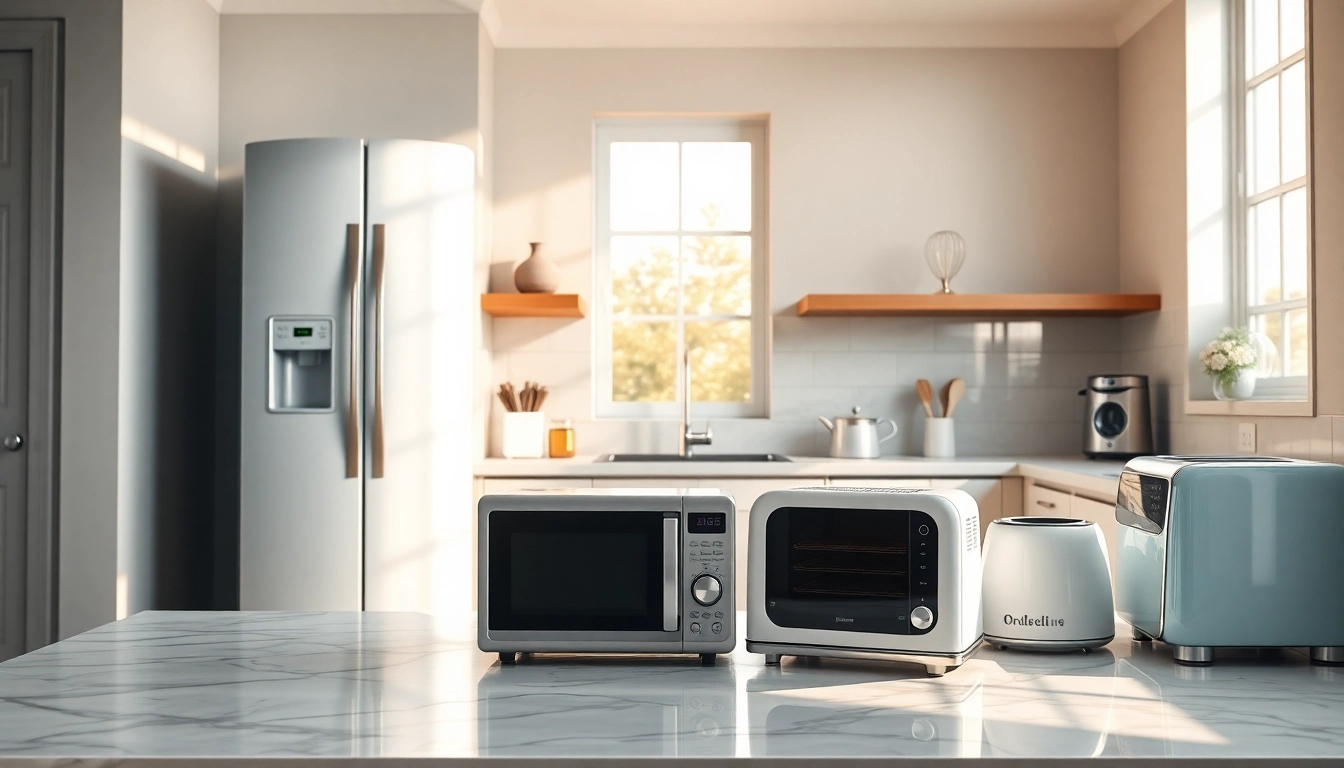
Countertop food warmers are compact appliances ideal for smaller establishments or home use. They typically come with multiple compartments, allowing for the warming of various dishes simultaneously. These units are suitable for appetizers, side dishes, and even desserts, providing versatility without taking up too much space.
Commercial Food Warmers
Commercial food warmers are designed to handle higher volumes and are more robust than their countertop counterparts. These units often feature larger capacities and may include additional functionalities such as adjustable racks and temperature gauges for more precise control. They are essential in restaurant kitchens and catering environments, ensuring that large quantities of food remain at safe serving temperatures.
Portable Food Warmer Options
For those on the go, portable food warmers are an excellent choice. These units are often lightweight and cord-free, using batteries or thermal technology to keep food warm during transport. Ideal for picnics, potlucks, or events where access to power sources may be limited, portable food warmers ensure that dishes remain hot until they reach the serving table.
Choosing the Right Food Warmer for Your Needs
Size and Capacity Considerations
When selecting a food warmer, consider the size and capacity relative to your typical serving needs. Smaller families or intimate gatherings may find countertop units sufficient, while larger venues may require commercial-scale equipment. Assessing the space available in your kitchen or event area is crucial to ensure the chosen warmer fits seamlessly into the workflow.
Features to Look For
Key features to consider include adjustable temperature settings, durable materials, and ease of cleaning. Some food warmers come equipped with digital displays for precise temperature control, while others may offer safety features like automatic shut-off to prevent overheating. Look for models with removable trays for easier maintenance and cleaning after events.
Budget-Friendly vs. High-End Options
Determining your budget can significantly narrow down your options. Budget-friendly models may offer basic functionality and smaller capacities, while high-end units typically feature advanced capabilities and greater durability. Investing in a reputable brand or model can reward you with longevity and reliability, making it worthwhile in the long run.

Best Practices for Using Food Warmers
Maintaining Food Safety Standards
It is crucial to adhere to food safety guidelines when using a food warmer. Always preheat the unit before placing food inside to ensure it remains at optimal temperatures. Regularly monitor food temperatures with a thermometer to confirm compliance with health regulations, and avoid overcrowding the warmer to maintain proper heat distribution.
Efficient Operations in Catering
In catering settings, efficiency is key. Organizing dishes in a logical sequence within the warmer can save time during service. Labeling trays can also help staff quickly identify items, ensuring smoother operations. Consider using chafing dishes in conjunction with food warmers to enhance presentation while maintaining temperature.
Cleaning and Maintenance Tips
Regular cleaning of your food warmer is essential to prevent cross-contamination and maintain performance. Allow the unit to cool before cleaning, and use non-abrasive cleaners to avoid damaging surfaces. Pay extra attention to any areas where food may have spilled, as residue build-up can affect heating efficiency over time.
Frequently Asked Questions About Food Warmers
1. How long can food be kept warm?
Food can be safely kept warm for several hours, provided it is maintained above 140°F to ensure it remains safe and palatable.
2. Can food warmers be used for home parties?
Yes, food warmers are excellent for home parties, allowing you to keep various dishes warm and ready for serving as guests arrive.
3. What types of food are best for warmers?
Soups, stews, casseroles, and baked goods are ideal for food warmers, as they retain quality and texture while kept warm.
4. What is the difference between a food warmer and a slow cooker?
A food warmer keeps food at a constant temperature, while a slow cooker cooks food over time, which serves different purposes.
5. Are food warmers energy-efficient?
Most modern food warmers are designed with energy efficiency in mind, using minimal energy while effectively maintaining food temperatures.