
Understanding Cape Cod Home Addition
Overview of Cape Cod Architecture
Cape Cod architecture, a timeless style originating in the 17th century, is characterized by its steep roofs, symmetrical design, and simple, practical features. The homes typically have wide central chimneys and dormer windows, giving them a unique charm and aesthetic appeal. As modern lifestyles evolve, the demand for functional and stylish living spaces has led homeowners to consider cape cod home addition as a viable option to expand their homes while preserving their architectural integrity.
Benefits of Home Additions
Home additions provide a multitude of benefits beyond just increasing square footage. They can enhance property value, provide space for growing families, and create areas tailored to personal needs like home offices or entertainment areas. Additionally, well-planned additions can improve the overall functionality of a home, allowing for better flow and lifestyle adaptability. By carefully integrating a new space into the existing structure, homeowners can significantly improve their living experience without relocating.
Planning Your Cape Cod Home Addition
Effective planning is crucial when considering a home addition. It involves assessing your current space, defining your needs, and budgeting effectively. Start by listing out what you hope to achieve with the addition. Whether it’s extra bedrooms, a larger kitchen, or a garage, this clarity will guide your decisions. Engaging with a qualified architect or designer familiar with Cape Cod style can ensure that your plans harmonize with existing structures in both design and function.
Design Considerations for Your Cape Cod Home Addition
Integrating with Existing Architecture
To maintain the integrity of Cape Cod architecture, it is essential to integrate new additions seamlessly. This can be achieved by matching the visual style and materials used in the original structure. Elements such as rooflines, exterior finishes, and window styles should be consistent with existing features. Working with professionals who understand these architectural nuances will help create a cohesive look that feels authentic.
Choosing Sustainable Materials
As sustainability becomes increasingly important, selecting eco-friendly materials for your home addition is wise. Opting for sustainably sourced wood, energy-efficient windows, and environmentally safe insulation can significantly reduce the ecological footprint of your project. Additionally, these choices can lead to long-term savings on energy bills, further making the case for a sustainable approach to your cape cod home addition.
Maximizing Natural Light
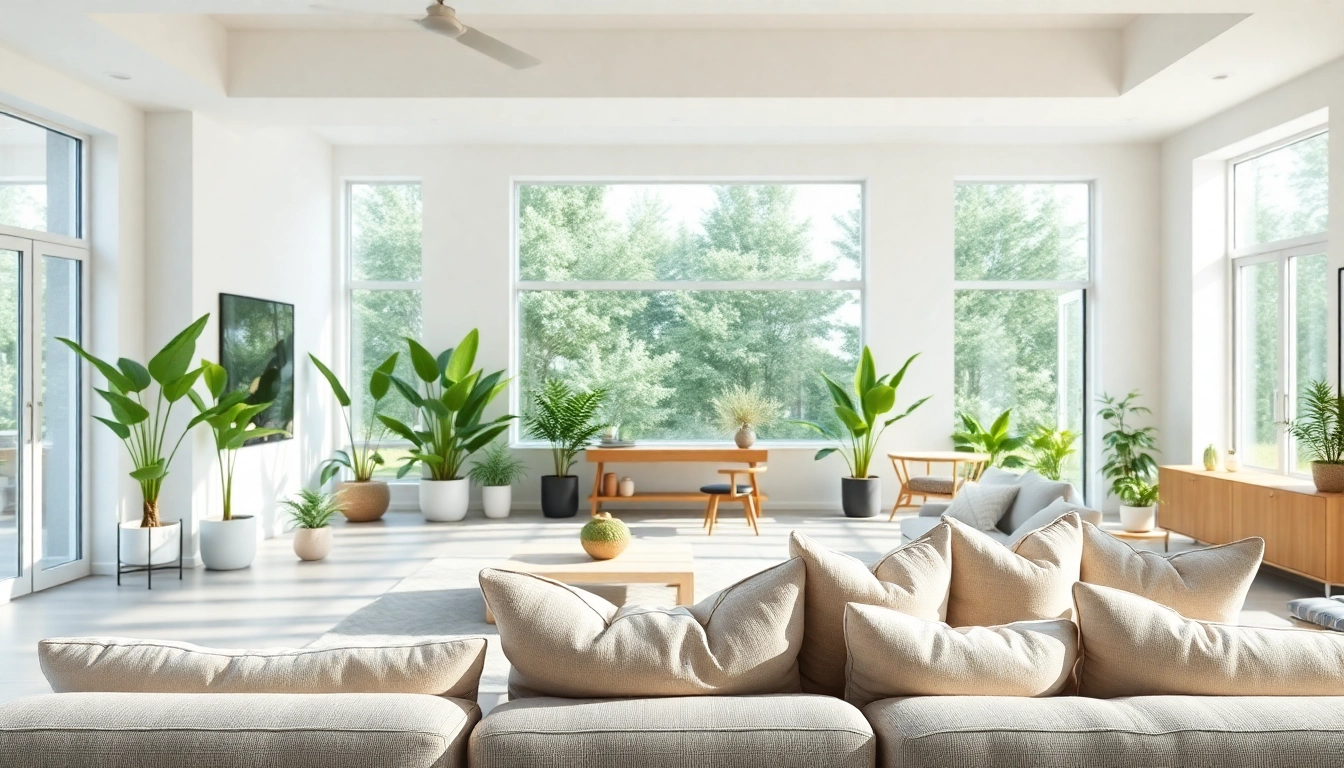
Natural light can transform spaces, making them feel larger and more inviting. Architectural features like skylights, strategically placed windows, and open-concept floor plans can significantly enhance the flow of light throughout your home. When designing your addition, consider how natural light will interact with both your new and existing spaces. This planning is vital in creating a bright, welcoming environment that embodies the spirit of coastal living.
Financing Your Cape Cod Home Addition
Budgeting for Construction Costs
Understanding the financial aspect of your home addition is crucial. Start by obtaining quotes from contractors and architects, which will give you a better estimate of construction costs. It’s also wise to factor in potential unforeseen expenses that may arise during the project. Creating a detailed budget that includes permits, materials, labor, and interior furnishings can help keep your project on track without financial surprises.
Exploring Financing Options
Various financing options are available for home additions, including home equity loans, personal loans, and refinancing your mortgage. Home equity loans and lines of credit allow homeowners to leverage the accumulated equity in their homes, providing relatively low-interest funding. Conversely, personal loans can cover costs but may have higher interest rates. Assessing your financial situation and speaking with a financial advisor can help determine the best approach for your specific needs.
Understanding Permits and Regulations
Before starting construction on your cape cod home addition, it’s essential to understand local building codes and zoning regulations. Obtaining the necessary permits can prevent legal issues down the road. Your architect or contractor should assist in navigating these regulations, ensuring compliance and avoiding potential fines or the need to make costly adjustments during construction.
Interior Design Ideas for Your Addition
Open Concept Layouts
Open concept layouts are a popular choice for home additions, promoting a fluid connection between living, dining, and kitchen spaces. This design not only maximizes space but also encourages interaction among family members and guests. When planning your addition, consider how an open floor plan can enhance your lifestyle while also fitting within the traditional Cape Cod aesthetic.
Coastal-Inspired Decor
Incorporating coastal-inspired decor into your addition can seamlessly connect your home to its surroundings. Utilize a color palette featuring soft blues, sandy beige, and bright whites to evoke a beachy feel. Natural textures like linen, driftwood, and nautical-themed accents will enhance that connection to the Cape Cod setting. This design not only beautifies your space but also reflects the enchanting environment in which you live.
Optimizing Space with Functional Furniture
Choosing furniture that maximizes space while serving multiple functions is essential in smaller or open-concept areas. Look for pieces that can provide storage, such as ottomans that double as seating or built-in shelving units. By optimizing your space with practical furniture, you can maintain an airy, uncluttered aesthetic, ensuring that your new addition feels expansive and welcoming.
Frequently Asked Questions about Cape Cod Home Addition
What size is ideal for a cape cod home addition?
The ideal size largely depends on your specific needs and the existing home’s layout. Generally, additions should enhance functionality without overwhelming the original structure.
How does a home addition affect property taxes?
A home addition typically increases your property value, leading to higher property taxes. It’s advisable to consult your local tax assessor for specifics regarding your area.
What design styles work best for a cape cod home addition?
Designs that complement the existing Cape Cod features, such as shingle-style or colonial styles, work best. Consistent architectural elements are essential for aesthetic harmony.
Can I add a home office in my addition?
Yes, many homeowners opt for home offices in their additions. Consider soundproofing and natural lighting to create a comfortable and productive workspace.
How do I choose a contractor for my home addition?
Research contractors with experience in home additions, particularly in Cape Cod architecture. Check references, reviews, and past projects to find a suitable match.