
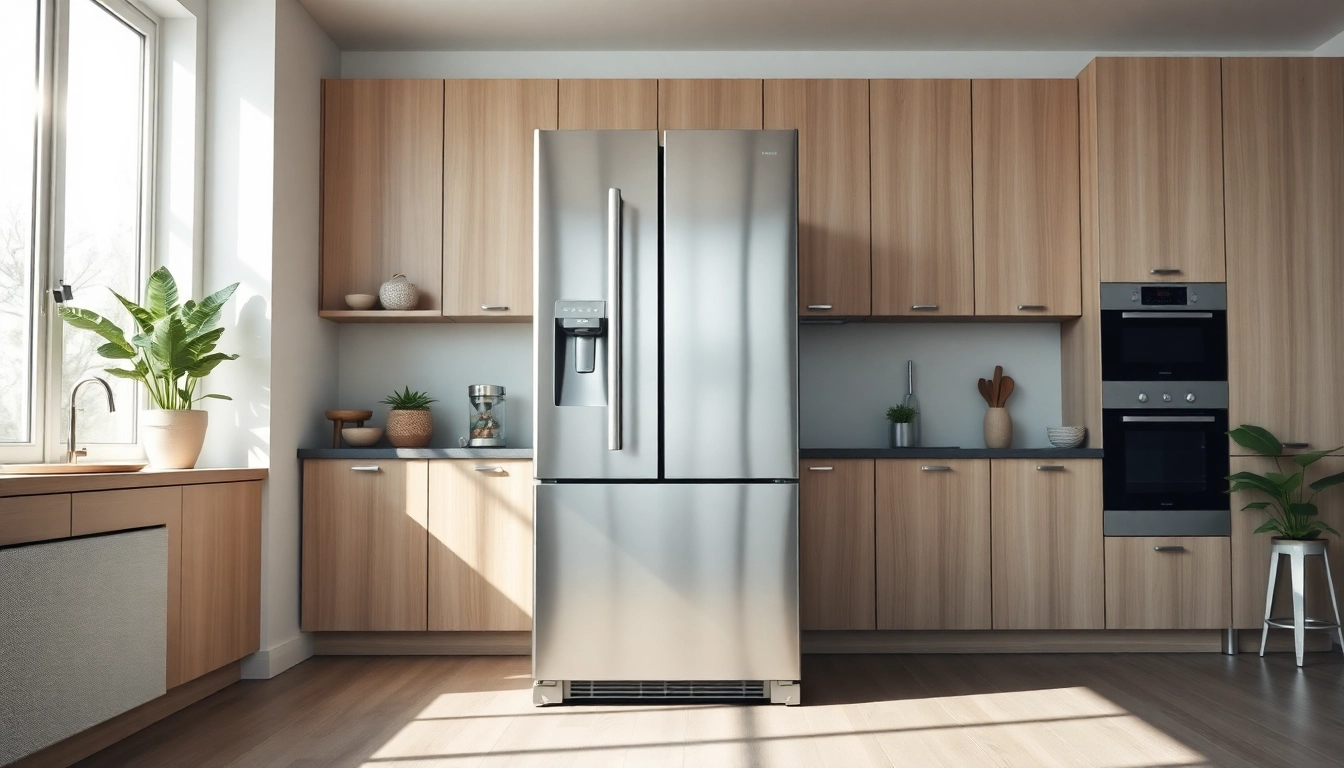
Understanding the Different Types of Refrigerators
Choosing the right refrigerator can be an overwhelming task due to the vast array of options available in today’s market. Each type of refrigerator serves a different purpose and meets various consumer needs. This section will explore the key styles of refrigerators, enabling you to make an informed selection based on your kitchen space, lifestyle, and storage requirements.
Refrigerator Styles Overview
Refrigerators are primarily categorized into four styles based on their design and functionality: Top-Freezer, Bottom-Freezer, Side-by-Side, and French Door refrigerators. Each style offers unique advantages and caters to specific user preferences.
Top-Freezer vs. Bottom-Freezer Refrigerators
Top-Freezer refrigerators are traditionally designed with a freezer compartment located above the refrigerator section. This layout is often more budget-friendly and provides easy access to frequently used refrigerated items. In contrast, Bottom-Freezer refrigerators feature the freezer drawer at the bottom. This design allows for easier access to fresh foods at eye-level, which can enhance convenience, especially for those who frequently cook.
Evaluating Side-by-Side Refrigerators
Side-by-Side refrigerators split the refrigerator and freezer compartments vertically. This layout allows users to have a wide access to both fresh and frozen foods without bending down. Many models are equipped with additional features like water and ice dispensers, enhancing their functionality. However, they often have narrower storage space for larger items compared to other styles.
Factors to Consider When Purchasing a Refrigerator
When it comes to investing in a refrigerator, various factors are crucial for making the right decision. Understanding your needs and evaluating key aspects can lead you to select the perfect appliance for your home.
Capacity and Size of Refrigerator
The size of your refrigerator is primarily determined by your kitchen space and family size. Typically measured in cubic feet, it’s essential to choose a refrigerator that not only fits the allotted space but also meets your storage needs. A household with a larger family would generally benefit from a more spacious appliance, whereas a single individual or couple may not require as much capacity.
Energy Efficiency Ratings and Savings
Energy efficiency is another critical factor to consider. Look for models with the Energy Star rating, which indicates that the refrigerator consumes less power compared to standard models. Energy-efficient refrigerators not only help in conserving the environment but can also lead to significant savings on your monthly utility bills.
Essential Features of Modern Refrigerators
Today’s refrigerators come with an array of modern features that can enhance your cooking and storage experience. Some of the most sought-after features include smart technology integration, adjustable shelving, temperature-controlled drawers, and built-in water and ice dispensers. Consider which features are essential for your lifestyle and cooking habits when choosing your refrigerator.
Benefits of Choosing an Energy-Efficient Refrigerator
Selecting an energy-efficient refrigerator goes beyond initial cost considerations. There are substantial benefits tied to energy-efficient appliances that can positively impact both your finances and the environment.
Cost Savings on Electricity Bills
Investing in an energy-efficient refrigerator can lead to considerable savings over time. As these models are designed to consume less energy, homeowners frequently see lower monthly electricity bills. Depending on usage and local energy rates, savings can accumulate to hundreds of dollars over the appliance’s lifespan.
Environmental Impact Considerations
By opting for a refrigerator with higher energy efficiency, you contribute positively towards reducing carbon emissions. Energy-efficient refrigerators operate more effectively and often use environmentally friendly refrigerants, which can lessen environmental harm.
Rebates for Energy-Efficient Appliances
Many governmental and local agencies offer rebates and incentives for purchasing energy-efficient appliances. This can further offset the initial costs when buying a new energy-efficient refrigerator, making it a financially sound decision.
Common Refrigerator Maintenance Tips
To prolong the life of your refrigerator and ensure optimum performance, regular maintenance is key. Following best practices can help avoid issues that may arise over time.
Regular Cleaning and Interior Organization
Keeping your refrigerator clean is essential for hygiene and maintaining the appliance’s efficiency. Regularly clean the interior surfaces, including shelves, drawers, and door seals. Additionally, organizing the contents can improve airflow, ensuring that food stays fresh longer and reducing energy use.
Monitoring Temperature Settings Effectively
The ideal refrigerator temperature is generally around 37°F (3°C) and the freezer should be set to 0°F (-18°C). Regularly checking and adjusting the temperature settings can help maintain food safety and energy efficiency, ensuring optimal performance day-to-day.
Troubleshooting Common Refrigeration Issues
Familiarizing yourself with common issues that may affect your refrigerator can aid in prompt troubleshooting. Common problems include unusual noises, inconsistent temperatures, or leaks. Understanding how to address these issues can help you avoid costly repairs and maintain the appliance in top condition.
Frequently Asked Questions About Refrigerators
What types of refrigerators are available?
Common types include top-freezer, bottom-freezer, side-by-side, and French door models. Each offers unique benefits, accommodating varying storage needs and kitchen designs.
How should I maintain my refrigerator?
Regularly clean and organize the interior, set the right temperatures, and check seals for effectiveness. These practices improve efficiency and extend its lifespan.
What energy ratings should I look for?
Opt for refrigerators with the Energy Star label, which indicates superior energy performance, potentially leading to savings on your electricity bills.
What is the average cost of a refrigerator?
The price of a refrigerator can range significantly, typically falling between $750 and $12,000 depending on type and features, such as built-ins or custom designs.
How do I optimize my refrigerator storage?
Store similar items together, avoid overloading, and use clear bins for better organization. This improves airflow, which helps in cooling efficiency and food preservation.